Before You Touch That Electrical Panel: What Most Homeowners Get Wrong
Local Electrician in Marietta, GA is often the first call homeowners make after realizing that electrical work is more complicated than it looks. You might be thinking about swapping a light fixture, adding a new outlet, or upgrading your breaker panel. It seems simple enough—until you hear someone mention permits and inspections.
Here’s the problem: doing electrical work without the proper permit in Marietta can lead to failed inspections, fines, insurance issues, and even safety hazards. Many homeowners assume small projects don’t require approval, only to discover later that code violations can delay a home sale or void coverage after a fire.
The solution? Understand exactly when a permit is required, what Georgia law says, and when it’s safer and smarter to hire a licensed electrical contractor. This guide breaks it all down clearly so you can protect your home and your investment.
Why Electrical Permits Matter in Marietta, Georgia

Electrical permits are not just red tape. In Marietta and throughout Cobb County, permits are required for most electrical installations, alterations, and repairs. The purpose is simple: safety.
Electrical systems carry real risk. Faulty wiring can cause:
- Electrical fires
- Electrocution
- Power surges and equipment damage
- Failed inspections during home sales
- Insurance claim denials
Marietta follows Georgia state law and locally adopted building codes, which incorporate the National Electrical Code (NEC). The NEC sets standards for wiring methods, grounding, panel installations, GFCI and AFCI protection, and load calculations. When an electrical service upgrade or circuit installation is completed, a city or county inspector verifies that the work meets code.
Permits ensure that:
- The work complies with safety standards.
- Proper materials and methods are used.
- The installation is inspected before being concealed.
- Future buyers have documented proof of compliant upgrades.
Even if you are confident in your skills, the code requirements are detailed and updated regularly.
When Is an Electrical Permit Required in Marietta?
In Marietta, most electrical work beyond simple maintenance requires a permit. While minor tasks may not need approval, anything involving wiring changes typically does.
Common Projects That Require a Permit
You generally need a permit if you are:
- Installing new circuits
- Upgrading or replacing a breaker panel
- Replacing the electrical service or meter base
- Adding outlets or switches
- Rewiring part of the house
- Installing recessed lighting
- Adding a subpanel
- Installing an EV charger
- Running wiring for additions or renovations
- Installing whole-home surge protection
- Upgrading service capacity (for example, 100-amp to 200-amp service)
An electrical contractor licensed in Georgia is typically required for most of these projects. In many cases, only licensed electricians can pull permits for electrical service work.
What Electrical Work Does NOT Require a Permit?
Some basic maintenance tasks may not require a permit, but you should always confirm with the City of Marietta Building Inspection Division or Cobb County if outside city limits.
Typically, permits are not required for:
- Replacing a light fixture without altering wiring
- Swapping out a ceiling fan
- Replacing a broken switch or receptacle (same location)
- Changing light bulbs
- Installing plug-in appliances
However, the key phrase is “without altering wiring.” The moment you extend wiring, relocate an outlet, or modify a circuit, permit requirements often apply.
When in doubt, consult a local electrician before starting the project.
Who Can Pull an Electrical Permit in Marietta?

Georgia law requires that most electrical work be performed by a licensed electrical contractor. In Marietta:
- Licensed electricians can pull permits for homeowners.
- Homeowners may be allowed to pull a permit for their own primary residence, depending on local rules.
- Rental properties typically require a licensed professional.
Even when homeowners are allowed to pull a permit, they are still responsible for meeting all code requirements and passing inspections. If the work fails inspection, corrections must be made before approval.
Hiring a licensed electrical contractor often prevents costly mistakes and delays.
The Inspection Process Explained
After a permit is issued, inspections are required at certain stages.
Rough-In Inspection
This happens before drywall is installed. Inspectors check:
- Wire size and type
- Proper stapling and securing
- Correct box fill calculations
- Grounding and bonding
- Protection plates over studs
Final Inspection
This occurs after fixtures, switches, outlets, and panels are installed. Inspectors verify:
- GFCI and AFCI protection
- Proper labeling of breakers
- Panel clearances
- Grounding electrode system
- Code compliance overall
If deficiencies are found, corrections must be made before approval is granted.
Skipping permits means skipping inspections—which increases risk.
What Happens If You Skip the Permit?
Homeowners sometimes assume that small projects won’t be noticed. But skipping a permit in Marietta can have consequences.
Potential Issues Include:
- Stop-work orders
- Fines
- Required removal of completed work
- Failed home inspections during sale
- Delays in closing
- Insurance coverage complications
If a fire occurs and unpermitted electrical work is discovered, your insurance company may investigate whether code violations contributed.
Additionally, when selling your home, buyers often request documentation of major upgrades. A missing permit for an electrical service upgrade can raise red flags.
Read Local Electrician in Marietta, GA: Will Electrical Upgrades Affect My Homeowner’s Insurance?
Marietta’s Electrical Code Requirements
Marietta adopts building codes consistent with Georgia’s statewide building code framework, including the National Electrical Code. The NEC is updated on a three-year cycle and addresses:
- Load calculations
- Conductor sizing
- Ground-fault circuit interrupter (GFCI) requirements
- Arc-fault circuit interrupter (AFCI) protection
- Tamper-resistant receptacles
- Panelboard installation standards
For example, modern code requires:
- GFCI protection in kitchens, bathrooms, garages, and outdoors
- AFCI protection in many living areas
- Dedicated circuits for certain appliances
- Proper bonding of metal water piping
Electrical service upgrades must also meet utility company standards for meter placement and grounding.
A qualified local electrician understands these technical requirements and stays updated as codes change.
Service Upgrades and Panel Replacements: Always Permit Required
One of the most common homeowner questions involves panel upgrades.
If you are:
- Replacing an outdated fuse box
- Installing a new breaker panel
- Increasing service amperage
- Upgrading to accommodate HVAC systems or EV chargers
A permit is required.
Service upgrades also require coordination with the power utility. The utility may temporarily disconnect power while the new service is installed. Inspections must be completed before power is restored permanently.
Because these projects involve high voltage and main feeders, they are not DIY-friendly tasks.
Electrical Work and Home Renovations

If you’re remodeling a kitchen, finishing a basement, or building an addition, electrical permits are almost always required.
Renovation electrical work may include:
- Adding recessed lighting
- Installing new branch circuits
- Upgrading kitchen appliance circuits
- Installing smoke detectors
- Adding bathroom ventilation with dedicated circuits
Electrical contractors typically pull permits as part of larger renovation projects.
Permits ensure that all work integrates safely with your existing electrical service.
The Real Cost of an Electrical Permit
Permit fees vary depending on project scope. In Marietta and Cobb County, fees are typically based on:
- Project valuation
- Number of circuits added
- Type of work (service change vs. minor wiring)
While homeowners may try to avoid the permit cost, the fee is minor compared to:
- Rework expenses
- Failed inspections
- Fire damage
- Liability issues
Investing in permitted electrical service protects both safety and resale value.
Safety Risks of DIY Electrical Work
Electricity is unforgiving. Improper connections can create hidden hazards behind walls.
Common DIY mistakes include:
- Overloaded circuits
- Incorrect breaker sizing
- Loose connections causing arcing
- Improper grounding
- Mixing aluminum and copper wiring incorrectly
These issues may not be visible immediately. Months or years later, they can result in overheating and fire.
Licensed electricians undergo extensive training and testing. They understand load balancing, voltage drop, and grounding systems—concepts that are rarely intuitive for DIY homeowners.
How a Local Electrician Protects You
Hiring a local electrician in Marietta offers several benefits:
- Knowledge of local code requirements
- Familiarity with inspection procedures
- Coordination with the power company
- Proper permit handling
- Professional-grade materials
- Liability insurance protection
A licensed electrical contractor ensures the project is done correctly the first time.
When electrical work is properly permitted and inspected, you gain peace of mind.
Planning Your Electrical Project the Right Way
Before beginning any electrical work:
- Define the scope of the project.
- Contact the City of Marietta or Cobb County to verify permit requirements.
- Consult with licensed electricians for estimates.
- Budget for permit fees and inspections.
- Schedule work to allow time for inspections.
Even simple projects can become complex once walls are opened or service capacity is evaluated.
Making the Smart Call Before You Start
Permits exist to protect homeowners. In Marietta, most electrical modifications require approval and inspection. While minor fixture replacements may not need permits, anything involving wiring changes usually does.
If you’re unsure whether your project requires a permit, the safest step is to consult a qualified electrical contractor who understands local regulations. Electrical systems are the backbone of your home. Proper permits, inspections, and professional installation protect your safety, your investment, and your family.
Local Electrician in Marietta, GA – Foster Electric

At Foster Electric, we understand how confusing permit requirements can be. As your trusted local electrician in Marietta, Georgia, we handle everything from minor repairs to full electrical service upgrades. We pull permits, schedule inspections, and ensure every job meets current code standards.
When you call us at (404) 855-4797, you speak directly with professionals who care about safety and quality. We proudly serve Marietta and the surrounding areas with reliable, timely service. Whether you need a panel replacement, new circuits, EV charger installation, or troubleshooting, our licensed electricians are ready to help.
Don’t risk fines or failed inspections. Contact Foster Electric today or fill out our contact form to schedule your estimate. We make electrical work safe, simple, and stress-free.
Frequently Asked Questions
Do I need a permit to install a home backup generator in Marietta?
Yes, most generator installations require an electrical permit in Marietta. Standby generators that connect directly to your home’s electrical panel involve transfer switches and service equipment modifications. These components must comply with National Electrical Code standards and local amendments. Inspections ensure proper grounding, load management, and safe utility interconnection. Even portable generator interlock kits often require approval. Because generators interact directly with your home’s electrical service and the utility grid, this is not considered minor work. Always consult a licensed electrical contractor before installing any backup power system to avoid safety hazards or code violations.
Can unpermitted electrical work affect my homeowners insurance?
Yes, unpermitted work can complicate insurance claims. If an electrical fire occurs and investigators determine that non-compliant or uninspected wiring contributed to the damage, the insurance company may review whether the installation met code requirements. While policies differ, undocumented electrical work can raise questions during claims processing. Insurers often expect major upgrades, such as panel replacements or service changes, to have proper permits and inspections. Keeping documentation protects you during future claims and provides reassurance that the work was completed safely and legally.
How long does it take to get an electrical permit approved in Marietta?
Approval times vary depending on project complexity and local workload. Minor residential permits are often processed relatively quickly once required documents are submitted. Larger projects involving service upgrades or structural renovations may require plan review before approval. Inspections are scheduled separately after work begins. Working with experienced electricians helps streamline the process because they understand local submission requirements and inspection scheduling procedures. Planning ahead prevents delays, especially if your project depends on power disconnection and reconnection by the utility company.
Are there special rules for electric vehicle charger installations?
Yes, EV charger installations typically require a permit. Installing a Level 2 charger involves adding a dedicated 240-volt circuit, which must be sized correctly for the charger’s amperage rating. The panel must also have sufficient capacity to handle the added load. In some cases, a service upgrade is required. Inspections verify proper breaker sizing, wiring methods, grounding, and mounting location. As electric vehicles become more common, code requirements continue to evolve. Hiring a qualified electrical contractor ensures compliance and safe charging performance.
What if I bought a home with unpermitted electrical work?
If you discover unpermitted electrical work after purchasing a home, consult a licensed electrician for a thorough inspection. They can assess whether the installation meets current code standards and recommend corrections if necessary. In some cases, you may be able to apply for a retroactive permit, though this often requires exposing wiring for inspection. Addressing the issue early protects your safety and prevents complications during future resale. Ignoring potential code violations can lead to more expensive repairs later.
Disclaimer: This article is for general informational purposes only and reflects common permit requirements in Marietta, Georgia at the time of writing. Building codes and local regulations may change. Always verify current requirements with the City of Marietta or Cobb County and consult a licensed electrical contractor before beginning any electrical work.
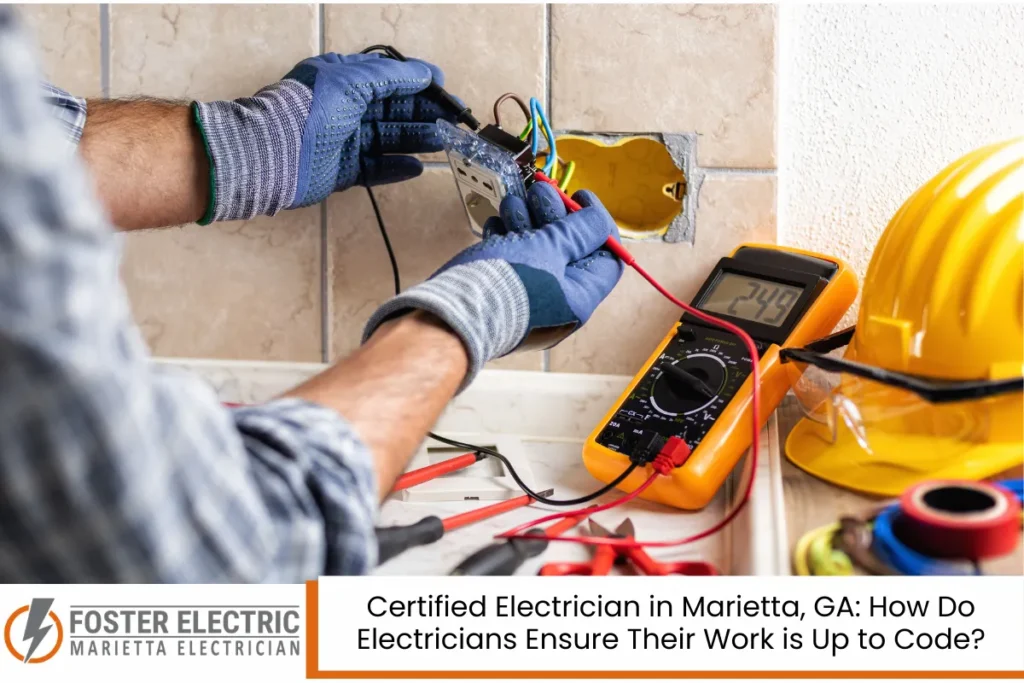
Read Certified Electrician in Marietta, GA: How Do Electricians Ensure Their Work is Up to Code?