Protect Your Home from Unseen Electrical Threats
A Marietta electrician knows that many homeowners rarely think about surge protectors—until disaster strikes. But what if your valuable electronics, appliances, or even your home’s wiring are all at risk right now? Power surges can happen any time, damaging your devices and costing you thousands in repairs. Imagine coming home to find your refrigerator ruined or your computer fried—these moments are more common than you might think. The good news? There’s a simple way to safeguard your home. In this guide, you’ll learn how to tell if your home needs a surge protector, what causes dangerous surges, and how professional electricians can help you avoid these expensive headaches.
What Is a Surge Protector and How Does It Work?
A surge protector is a device designed to shield your electrical appliances from sudden spikes in voltage. While many people associate surge protectors with power strips, whole house surge protection offers a much higher level of defense. When excess voltage from lightning strikes, downed power lines, or faulty wiring flows through your electrical system, surge protectors redirect this energy safely into the ground. This prevents damage to your electronics, HVAC systems, and any appliance connected to your home’s electrical circuits.
Modern homes are filled with sensitive electronics. Even a minor surge can shorten the lifespan of your devices or wipe out important data. As electrical contractors in Marietta and across Georgia recommend, every home should consider some form of surge protection—especially if you rely on expensive or essential equipment.
Common Causes of Power Surges in Marietta Homes
Lightning Strikes and Severe Weather
Marietta experiences its share of thunderstorms. Lightning strikes are a leading cause of large power surges. Even if lightning hits a transformer or a power line several blocks away, the resulting surge can travel through utility lines and into your home, putting every plugged-in device at risk.
Utility Grid Switching
Another common cause is sudden changes in the power grid. Utility companies sometimes switch the flow of electricity to balance demand or during maintenance, which can cause voltage spikes in nearby neighborhoods.
Faulty Wiring and Electrical Malfunctions
Older homes or those with outdated wiring are particularly susceptible. Faulty or damaged wires can trigger localized surges, creating ongoing risks. Licensed electricians can spot these hazards during a routine electrical service inspection.
High-Powered Appliances
Large appliances like air conditioners, refrigerators, and pumps can create small, frequent surges as they turn on and off. Over time, these mini-surges can degrade the performance of your home electronics.
Signs Your Home Needs Surge Protection

Frequent Tripping of Circuit Breakers
If your circuit breakers trip often, it could be a sign of voltage fluctuations or surges. This is not just an annoyance—it’s a signal that your electrical system is under stress and needs evaluation by an experienced electrical contractor.
Flickering or Dimming Lights
Do your lights dim or flicker when major appliances kick on? This can indicate small surges happening within your electrical system, often caused by large equipment drawing more power than the wiring can handle.
Unexplained Damage to Electronics
Have you noticed your televisions, computers, or kitchen appliances suddenly stop working or show signs of malfunction? Surges often cause gradual damage that leads to unexpected failures.
Warm or Discolored Outlets
Outlets that are warm to the touch or show discoloration might be experiencing electrical overloads. This is a serious issue and requires immediate attention from a local electrician.
Old or Outdated Electrical Panels
Homes with panels that haven’t been updated in 20 years or more are at greater risk. Newer electrical panels are better equipped to handle today’s energy demands and work more effectively with surge protectors.
Types of Surge Protectors for Homeowners
Point-of-Use Surge Protectors
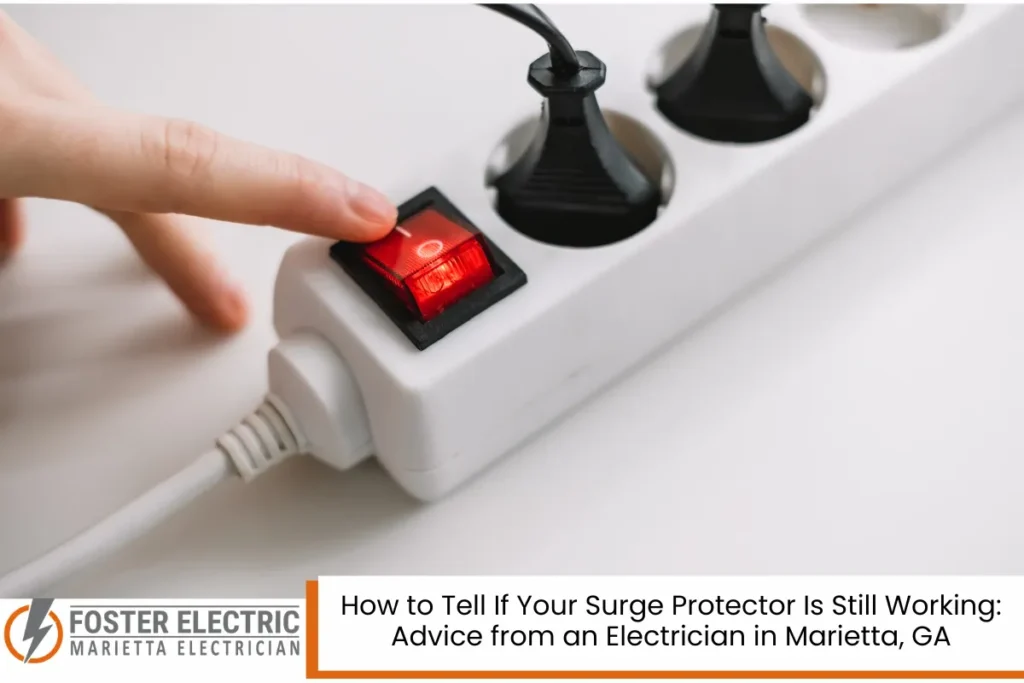
These are the familiar plug-in strips you see in offices and living rooms. They provide a basic layer of protection for devices like computers, TVs, and gaming systems. While useful, they aren’t enough to protect your entire home.
Whole House Surge Protectors
Installed by professional electricians at your electrical panel, these systems safeguard every circuit in your home. Whole house surge protection is highly recommended for homeowners with valuable electronics, smart home devices, or sensitive appliances.
Service Entrance Surge Protectors
These heavy-duty devices are placed at the point where electricity enters your home. They provide the highest level of defense, especially during severe storms or major grid events.
Read Marietta Electrician: What Are Signs of Bad or Outdated Wiring in a Home?
Benefits of Installing a Whole Home Surge Protector
Comprehensive Protection
A whole house surge protector shields every outlet, ensuring that all devices and appliances are safe from unexpected surges—no matter where they’re plugged in.
Increased Home Value
Adding modern electrical safety features like surge protection can boost your property value and appeal to potential buyers concerned about safety.
Peace of Mind
Knowing that your electronics, appliances, and even your home’s wiring are protected can provide confidence and peace of mind.
Savings on Repairs and Replacements
Avoid costly repairs by preventing damage before it occurs. The average cost of replacing appliances or rewiring after a surge can far exceed the investment in surge protection.
Insurance Perks
Some homeowners’ insurance providers offer discounts for homes with professional surge protection installed by licensed electricians. Check with your insurer for possible savings.
How Licensed Electricians Install Surge Protectors

Site Assessment
An experienced electrician begins by assessing your home’s electrical system, including panel age, wiring condition, and the number of appliances you have.
Recommending the Right System
Not all homes require the same level of protection. Your electrical contractor will recommend a solution tailored to your needs, whether it’s point-of-use strips or a whole house device.
Professional Installation
For maximum safety and effectiveness, surge protectors should always be installed by licensed electricians. They ensure that the device is connected properly, grounded correctly, and meets all local electrical codes.
Testing and Maintenance
After installation, the electrician will test your surge protection system to ensure it’s working as intended. Regular inspections are also recommended to keep your system performing at its best.
Risks of DIY Surge Protector Installation
While it may be tempting to install a surge protector on your own, DIY electrical work is risky and can void warranties or even cause harm. Incorrect installation can lead to ineffective protection or create new hazards. Always trust a licensed electrical contractor to handle surge protection for your home.
Key Times to Consider Surge Protection in Your Home
- When upgrading appliances: Newer appliances often use more sensitive electronics.
- After a nearby lightning strike: Surges can occur even if your home wasn’t directly hit.
- If you’re renovating: Include surge protection in any electrical upgrade.
- When moving into an older home: Homes built before modern codes are more vulnerable.
- When installing home office equipment: Protect computers and essential work-from-home setups.
How Surge Protection Fits into Your Overall Electrical Safety Plan
Installing surge protectors is just one part of a comprehensive electrical safety strategy. Regular electrical inspections, prompt repair of faulty wiring, and upgrades to your electrical panel all work together to keep your family and property safe. An experienced Marietta electrician can help you create a custom safety plan that addresses your unique needs, whether you’re protecting a single-family home, rental property, or business.
How Much Does Whole House Surge Protector Installation Cost?
The cost of installing a whole house surge protector varies depending on your home’s size, the type of surge protector, and your current electrical panel’s condition. On average, Marietta homeowners can expect to pay between $300 and $700 for professional installation. This investment is small compared to the potential cost of replacing damaged electronics or appliances. Always get a quote from a licensed electrical contractor before starting any electrical service work.
Final Thoughts: Safeguard Your Home with Professional Surge Protection
Protecting your home’s electrical system is more important than ever. Power surges can happen without warning and cause extensive damage. With the help of a licensed Marietta electrician, you can install the right surge protection to defend your family, appliances, and peace of mind. Don’t wait until it’s too late—take proactive steps today with a trusted electrical contractor.
Foster Electric – Marietta Electrician

When you need a trustworthy electrician in Marietta, GA, Foster Electric is here to help. Our team of licensed electricians specializes in surge protector installation, electrical service upgrades, and full-home electrical solutions. We offer quick response times, free consultations, and expert advice to keep your home safe from electrical surges. Foster Electric is proud to serve Marietta, Georgia, and the surrounding areas with honest, reliable, and bilingual service. Don’t risk your electronics or appliances—call (404) 855-4797 today or fill out our simple contact form online to schedule your service with the leading local electrical contractor.
Frequently Asked Questions
1. Can a surge protector save my home from a direct lightning strike?
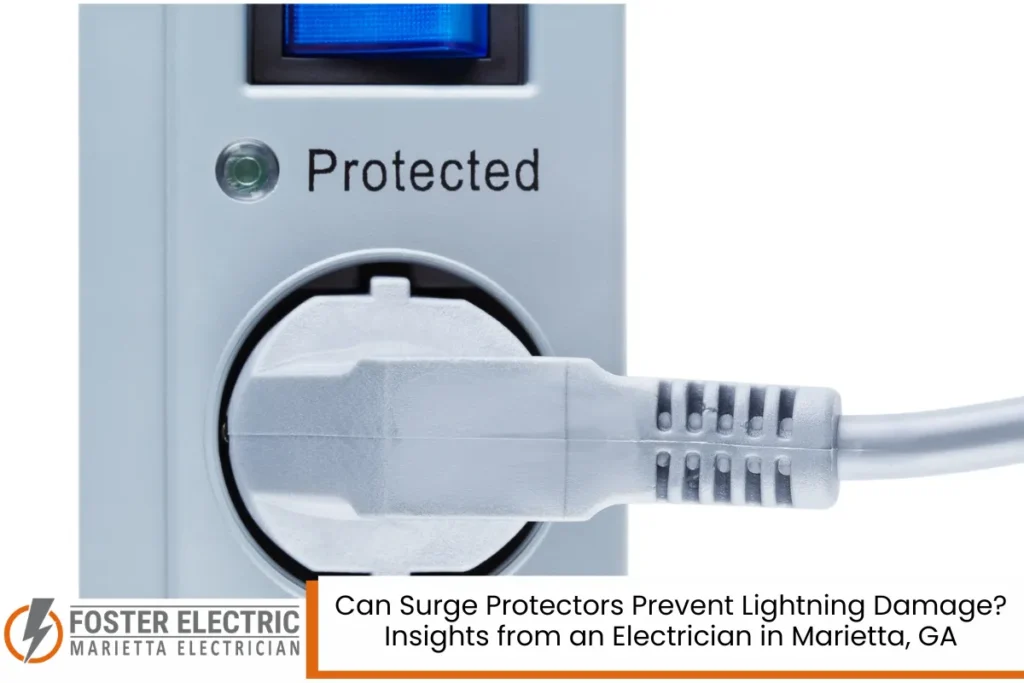
Surge protectors are designed to handle most surges, including those caused by lightning near your home, but a direct lightning strike can sometimes exceed the device’s capacity. However, a professionally installed surge protector can significantly reduce the risk of damage. It’s also wise to unplug sensitive electronics during severe storms for added safety. For best results, always consult a licensed electrician about your home’s specific risks.
2. How often should surge protectors be replaced?
Surge protectors do not last forever. Point-of-use devices usually need replacing every 3-5 years, especially if your area experiences frequent surges. Whole house surge protectors can last longer, often up to 10 years, but should be inspected regularly by a qualified electrical contractor to ensure they are still functioning properly. If your protector has absorbed a large surge, replacement may be necessary sooner.
3. Will a surge protector affect my home’s energy use?
No, surge protectors do not consume noticeable amounts of electricity or increase your utility bills. Their purpose is to monitor voltage and act only when a surge occurs. Properly installed by an electrician, these devices work silently in the background without impacting your energy consumption.
4. Are there any maintenance requirements for whole house surge protectors?
While surge protectors are mostly maintenance-free, it’s important to have your system checked by a professional during regular electrical inspections. Electricians can verify that your device is still operational and hasn’t been compromised by a major surge. This quick check helps ensure your home remains protected year after year.
5. Do surge protectors provide protection against power outages?
Surge protectors do not prevent power outages or restore electricity during an outage. Their function is to protect against sudden increases in voltage, not interruptions in power supply. For uninterrupted power during outages, you may need additional equipment such as a backup generator, which your electrical service provider can discuss with you.
Disclaimer: This article is for informational purposes only and does not constitute professional electrical advice. For accurate assessment and installation, always consult a licensed electrician. Surge protection needs can vary; seek a personalized evaluation from a qualified electrical contractor.
Read Marietta Electrician: Why Do My Lights Flicker When I Turn on Appliances?