Why Faulty Wiring Is a Bigger Risk Than Most Homeowners Realize
Residential Electrician in Marietta, GA is often the first call homeowners make when something feels “off” with their electrical system—and for good reason. Electrical fires are one of the leading causes of house fires in the United States. The problem is that faulty wiring rarely announces itself clearly. A faint burning smell. A breaker that keeps tripping. Lights that flicker when appliances turn on. These small annoyances can signal much bigger dangers hidden behind your walls.
If ignored, outdated or damaged wiring can overheat, arc, and ignite nearby materials. That means drywall, insulation, and wood framing can become fuel. The solution is early detection and professional inspection by a qualified residential electrician who understands local codes and safety standards.
This guide will show you exactly how to recognize fire hazards in your wiring, what causes them, and what to do next.
Warning Signs Your Home Wiring May Be a Fire Hazard

Electrical problems often start subtly. Here are the most common red flags homeowners in Marietta should never ignore:
1. Frequent Circuit Breaker Trips
Circuit breakers are designed to shut off power when a circuit is overloaded. If your breaker trips occasionally, that’s normal. But if it happens repeatedly:
- You may have overloaded circuits
- Wiring could be deteriorating
- A short circuit may be developing
A licensed electrical contractor can diagnose whether the issue is appliance-related or a deeper wiring problem.
2. Flickering or Dimming Lights
Lights that flicker when your HVAC system or refrigerator turns on may signal:
- Loose connections
- Undersized wiring
- Voltage fluctuations
- Aging electrical panels
Loose wiring connections are particularly dangerous because they can cause arcing—one of the leading causes of electrical fires.
3. Burning Smell or Discolored Outlets
If you smell burning plastic or notice:
- Brown or black marks around outlets
- Warm wall plates
- Melted insulation
Turn off power to the affected circuit immediately. Overheating wires inside walls can ignite without visible warning.
4. Buzzing Sounds from Walls or Panels
Electricity should be silent. A buzzing or crackling sound may indicate arcing or loose terminals inside your panel or junction boxes. This requires immediate electrical service from a qualified professional.
Older Homes in Marietta: Hidden Electrical Risks
Marietta has many charming older homes, especially those built before the 1980s. While beautiful, older properties may contain outdated wiring systems that increase fire risk.
Aluminum Wiring (1960s–1970s Homes)
Aluminum wiring was once used as a cheaper alternative to copper. However, it expands and contracts more than copper, leading to loose connections and overheating. Homes built between 1965 and 1973 are especially likely to have this issue.
Knob-and-Tube Wiring (Pre-1950 Homes)
Knob-and-tube systems lack grounding and cannot safely support modern appliances. Many insurance companies flag this wiring as high risk.
Federal Pacific or Zinsco Panels
Certain older electrical panels have been associated with breaker failure. When breakers fail to trip during overloads, wires can overheat to dangerous levels.
If your home is over 30–40 years old and hasn’t had a major electrical upgrade, a residential electrician should perform a full safety evaluation.
Overloaded Circuits: A Modern Fire Starter
Today’s homes use far more electricity than homes built decades ago. Flat-screen TVs, gaming systems, home offices, EV chargers, and high-powered kitchen appliances all add demand.
When circuits are overloaded:
- Wires overheat
- Insulation deteriorates
- Connections loosen
- Sparks can form
Extension cords and power strips are temporary solutions—not permanent wiring fixes. If you rely heavily on them, your home likely needs additional dedicated circuits installed by a licensed electrical contractor.
Electrical Code Compliance in Marietta, Georgia

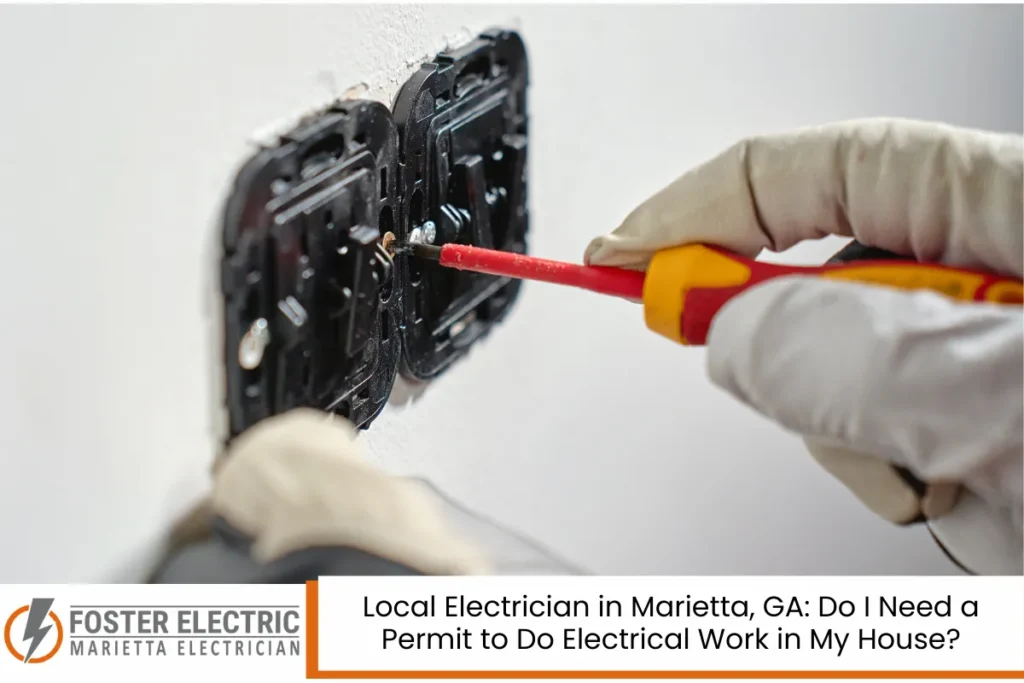
Electrical work in Marietta must comply with Georgia state building codes and the National Electrical Code (NEC), which sets safety standards nationwide. The City of Marietta requires permits and inspections for most major electrical upgrades, including:
- Panel replacements
- Service upgrades
- Whole-home rewiring
- Adding circuits
Hiring qualified electricians ensures your home meets current code requirements. Unpermitted DIY work can create serious fire hazards and may affect insurance claims if a fire occurs.
Georgia law requires electrical contractors to hold proper state licensing. Always verify credentials before allowing work on your home.
Arc Faults and Ground Faults: Invisible Dangers
Two modern safety technologies help prevent electrical fires:
Arc Fault Circuit Interrupters (AFCIs)
AFCIs detect dangerous electrical arcs and shut off power before heat builds up. Newer homes are required to have AFCI protection in many living areas.
If your home lacks AFCI breakers, upgrading can significantly reduce fire risk.
Ground Fault Circuit Interrupters (GFCIs)
GFCIs prevent shock hazards in kitchens, bathrooms, garages, and outdoor areas. While mainly for personal protection, faulty grounding can also contribute to unsafe conditions.
An experienced residential electrician can inspect your panel and recommend appropriate upgrades.
Signs of DIY or Poor-Quality Electrical Work
Improper electrical installations are a major source of residential fires. Watch for:
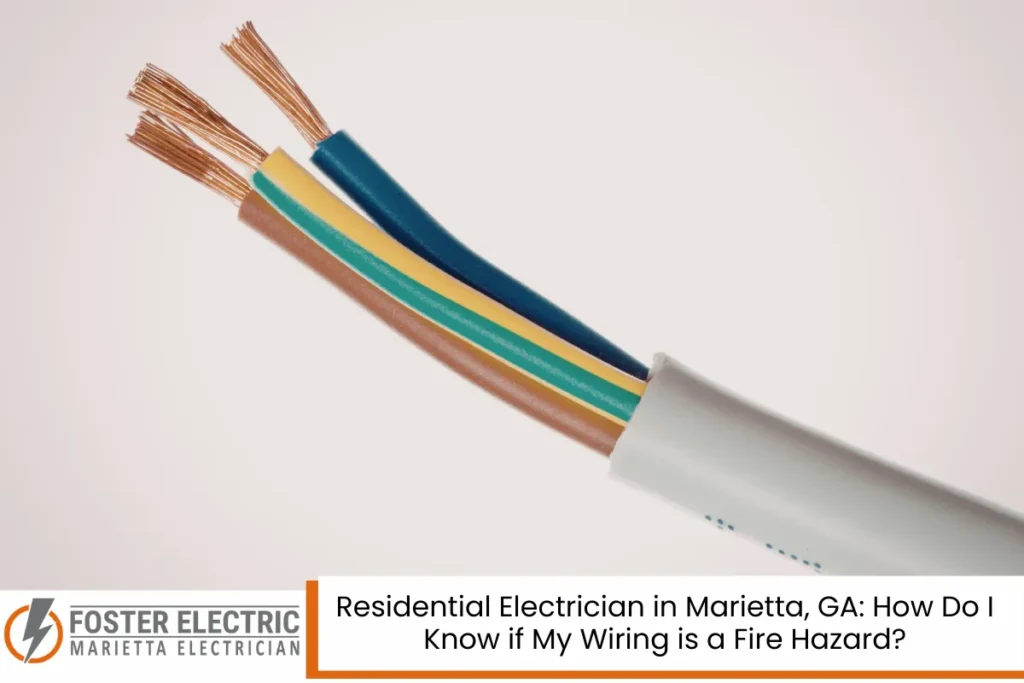
- Mixed wire gauges on the same circuit
- Open splices without junction boxes
- Double-tapped breakers
- Overcrowded panels
- Exposed wiring in attics or crawlspaces
Even if everything appears functional, substandard workmanship may be hiding dangerous connections.
Professional electrical service includes load calculations, proper wire sizing, torque-tested connections, and adherence to NEC standards.
When to Schedule a Professional Electrical Inspection
You should schedule a full home inspection by a residential electrician if:
- Your home is over 25 years old
- You’re purchasing or selling property
- You’re adding major appliances
- You notice any warning signs listed earlier
- Your insurance company requests an evaluation
A thorough inspection typically includes:
- Panel examination
- Breaker testing
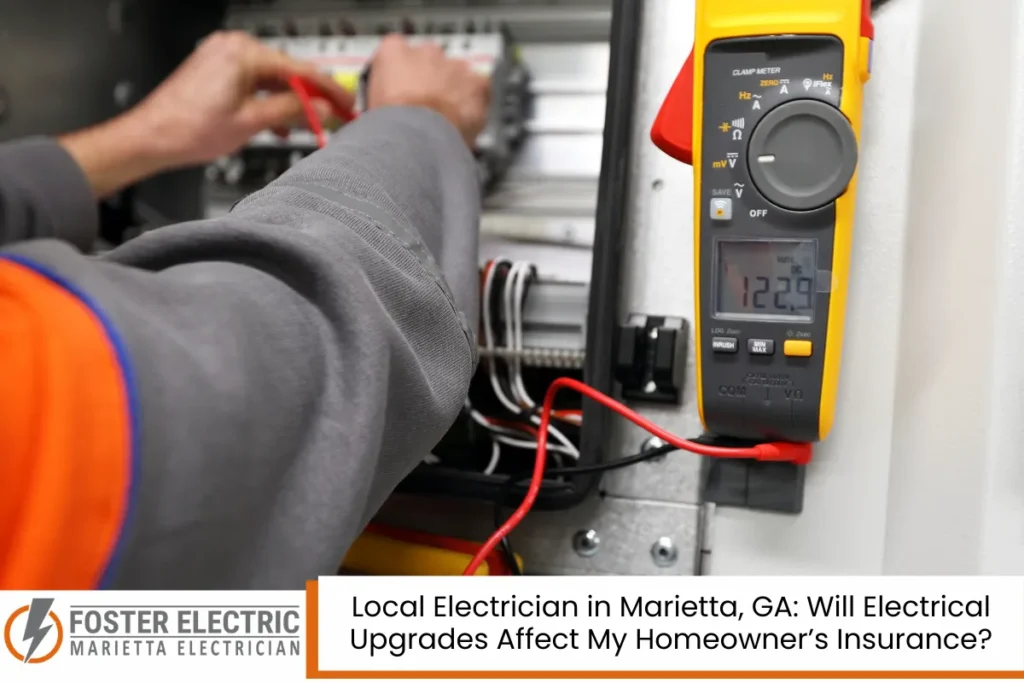
- Thermal imaging to detect overheating
- Outlet testing
- Grounding verification
Preventive inspections are far less expensive than fire damage repairs.
The Role of Electrical Panels in Fire Prevention
Your electrical panel is the heart of your system. Outdated or undersized panels create serious hazards.
Common Panel Issues
- 60-amp or 100-amp service in homes needing 200 amps
- Corroded bus bars
- Loose neutral wires
- Breakers that fail to trip
Upgrading your service panel not only improves safety but also increases home value and supports future electrical needs.
Whole-Home Rewiring: When Is It Necessary?

Rewiring is often recommended if:
- Wiring insulation is brittle
- Aluminum wiring is present
- Multiple circuits show overheating
- The home lacks grounding
Though it requires an investment, rewiring dramatically reduces fire risk and ensures compliance with current building codes in Georgia.
How Weather and Humidity Affect Electrical Systems in Marietta
Marietta’s humid climate can impact wiring over time. Moisture in crawlspaces and attics may cause:
- Corrosion at connections
- Rusted panel components
- Insulation breakdown
Storm-related power surges can also damage wiring. Installing surge protection at the panel level provides added protection for your entire system.
Fire Prevention Tips Every Homeowner Should Follow
In addition to hiring qualified electricians, homeowners can reduce risk by:
- Avoiding overloading outlets
- Replacing damaged cords
- Not running extension cords under rugs
- Installing smoke detectors on every level
- Scheduling periodic electrical service
Prevention is a combination of awareness and professional oversight.
Final Thoughts on Protecting Your Home from Electrical Fires
Electrical fires rarely happen without warning. The signs are often subtle at first—but they matter. Paying attention to flickering lights, tripped breakers, unusual smells, and outdated components can prevent devastating damage.
Hiring a qualified residential electrician ensures your system meets modern safety standards and Georgia building codes. If you live in Marietta and suspect your wiring may be a fire hazard, proactive action today can protect your property for years to come.
Residential Electrician in Marietta, GA – Foster Electric

At Foster Electric, we take wiring safety seriously. As your trusted residential electrician in Marietta, we provide thorough inspections, panel upgrades, rewiring services, and code-compliant electrical service designed to protect your home and family.
We understand local building requirements and follow Georgia regulations on every job. Whether you’re dealing with flickering lights, breaker issues, or suspect outdated wiring, we respond quickly and diagnose problems accurately.
Our licensed electricians use modern tools to identify hidden hazards before they become emergencies. We proudly serve Marietta, Georgia and the surrounding areas with dependable solutions and honest recommendations.
If you’re concerned about a possible wiring fire hazard, call us at (404) 855-4797 or fill out our contact form today. Let Foster Electric keep your home safe.
Frequently Asked Questions
1. Can rodents cause electrical fire hazards in walls?
Yes. Rodents commonly chew on wire insulation inside attics and crawlspaces. When insulation is stripped away, exposed conductors can short circuit or arc against wood framing. This creates intense heat and increases fire risk. If you hear scratching sounds or discover droppings near wiring, schedule an inspection. A residential electrician can assess the damage and replace compromised wiring safely.
2. How often should a home’s electrical system be inspected?
Most homes should undergo a professional electrical inspection every 3–5 years. However, older homes or properties with heavy electrical demand may require more frequent evaluations. If you’re renovating, installing large appliances, or adding EV chargers, a load calculation and system check are strongly recommended.
3. Does homeowners insurance cover electrical fires caused by old wiring?
Insurance policies often cover fire damage, but claims may be denied if negligence or unpermitted work is discovered. Insurers may also require upgrades if outdated wiring systems are present. Keeping your electrical system up to code reduces liability and strengthens your claim protection.
4. Are smart home devices a fire risk?
Smart devices themselves are typically low risk, but improper installation can cause problems. Overloaded smart hubs, poorly installed smart switches, or incompatible dimmers may generate excess heat. Always have new devices installed or reviewed by qualified electricians.
5. What is the lifespan of residential wiring?
Copper wiring can last 50 years or more if properly installed and maintained. However, insulation, connections, and panels may degrade earlier. Environmental factors and electrical demand influence longevity. Regular inspections help determine whether repairs or upgrades are needed.
Disclaimer: This article is for informational purposes only and does not replace professional electrical advice or inspection. Always consult a licensed electrical contractor in Georgia for code-compliant evaluations and repairs.
Read Local Electrician in Marietta, GA: Do I Need a Permit to Do Electrical Work in My House?