If you need an electrician in Marietta, GA after a leak, burst pipe, or heavy storm soaked parts of your home, the short answer is yes – a qualified electrician can repair water-damaged electrical systems, but only after a thorough inspection and with many components replaced rather than simply dried out. Water intrusion into electrical wiring, panels, and outlets is more common than most homeowners realize, especially in areas prone to summer thunderstorms and aging plumbing. The real danger is what you cannot see: hidden corrosion, compromised insulation, and potential hazards lurking behind walls. Left unaddressed, these issues can lead to electrical fires, shock hazards, and costly code violations. The solution starts with calling a licensed residential electrician who understands local requirements and can restore your home’s electrical system safely.
Key Takeaways
- Yes, a licensed electrician in Marietta, GA can repair some water-damaged electrical systems, but many components must be fully replaced for safety.
- Never turn power back on or touch wet electrical equipment; shut off power at the main breaker only if you can do so safely.
- In Marietta and Cobb County, any significant electrical repair typically requires a permit and code-compliant work by a state-licensed electrician.
- Common wet-damage sources include roof leaks, burst pipes, flooded basements, and storm runoff entering panels, outlets, and wiring.
- Timely professional inspection, documentation for insurance, and preventive upgrades can protect you from future hazards and power outages.
How Water Damages Electrical Systems in Marietta Homes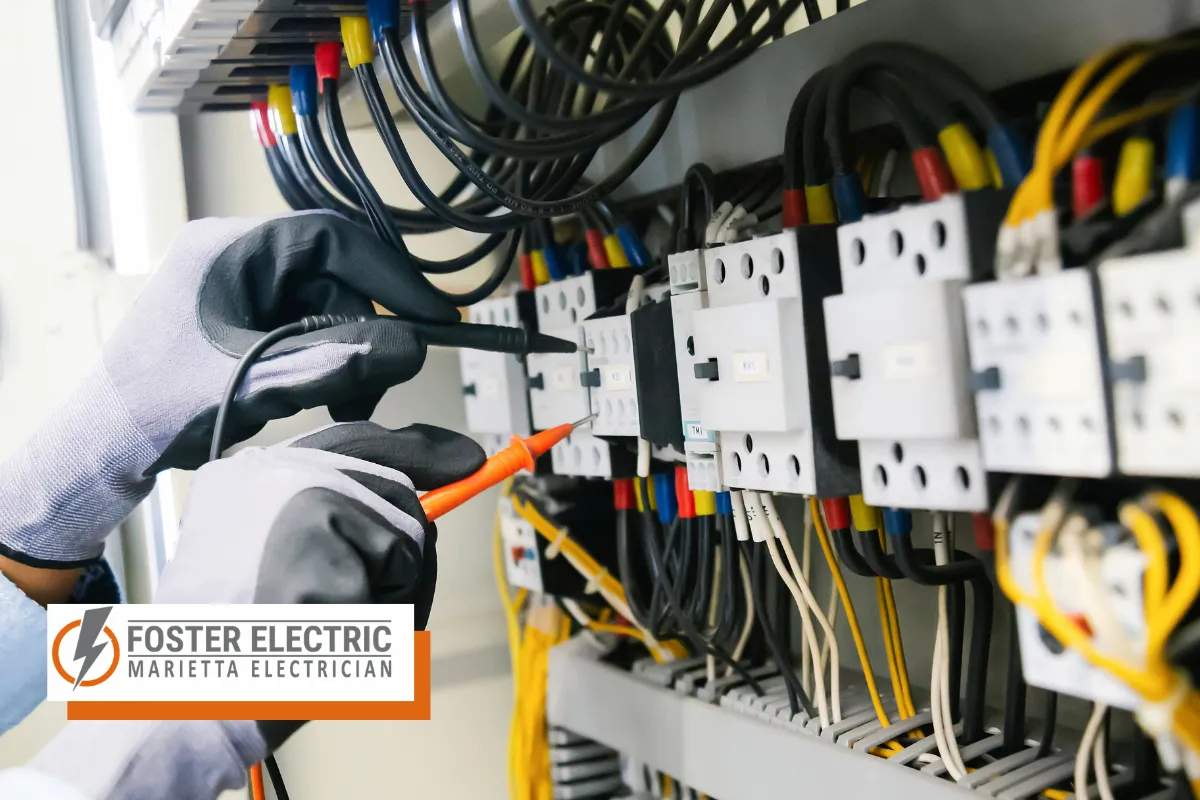
Even clean tap water carries dissolved minerals that leave conductive residue on wiring and connections. When storm runoff or sewage-contaminated flood water enters a home, the damage accelerates dramatically. Marietta homeowners commonly deal with several water intrusion sources:
- Attic condensation and roof leaks during heavy summer thunderstorms
- Plumbing leaks hidden behind drywall or under slab foundations
- Flooded crawl spaces and basements after prolonged rainfall
- Storm runoff entering exterior panels, receptacles, and landscape lighting
Once moisture reaches electrical components, it breaks down thermoplastic insulation on NM-B cable, corrodes copper conductors and aluminum contacts inside circuit breakers, and creates conductive paths that lead to arcing. Flooding can cause short circuits in electrical systems that may not be immediately obvious. Corrosion from water can damage electrical wiring over days and weeks, even after surfaces appear dry. Electrical systems may remain hazardous even if they appear dry after water exposure because internal moisture gets trapped through wicking action, slowly degrading insulation integrity.
The National Electrical Code and Georgia’s adopted amendments treat many submerged components as non-repairable. Brief surface splashes with clean water are sometimes manageable, but prolonged submersion – especially in contaminated grey or black water – almost always means replacement.
Safety First: What Marietta Homeowners Should Do Immediately After Water Exposure
Before calling any electrician or filing an insurance claim, safety must be your first priority. Standing water and electricity are a lethal combination, and electrical fires can result from flood-damaged wiring that is re-energized too quickly.
Here is what to do right away:
- Stay out of any standing water that could be energized, particularly in basements, crawl spaces, or near major appliances like water heaters and furnaces.
- Shut off power at the main breaker only if it is completely dry and you can reach it without stepping in water. If the panel area is wet or you are unsure, stay away and contact your utility provider or a licensed electrician immediately.
- Do not reset tripped breakers, run extension cords through wet areas, or plug in any appliances that got wet.
- Move undamaged electronics and equipment away from active leak areas without touching visible wiring, open junction boxes, or energized switches.
- Document everything with photographs and video – high-water marks on walls, affected outlets, the panel, and visible fixtures – before any cleanup begins.
These steps protect you and your family while preserving evidence that your insurance company will need later.
What a Marietta Electrician Actually Does to Evaluate Water-Damaged Electrical Systems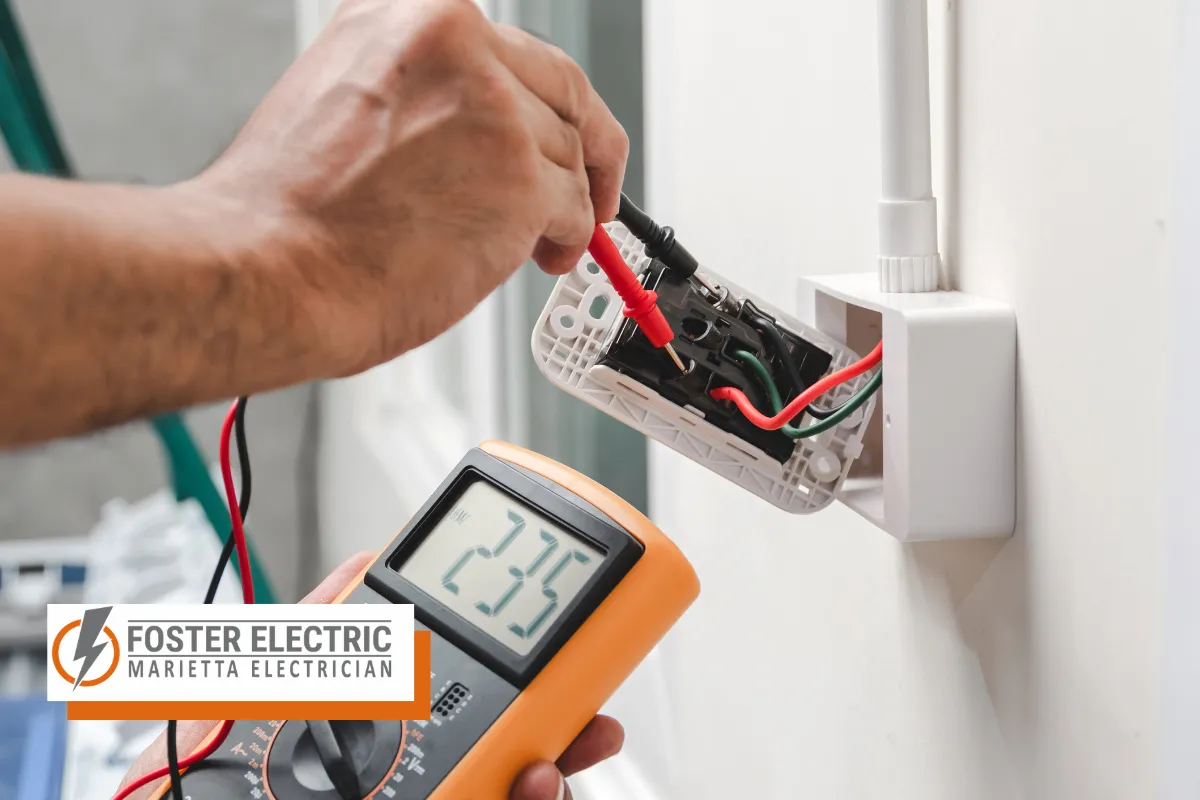
When a qualified electrician arrives after a leak or flood, the evaluation follows a structured process. Licensed electricians have the expertise to handle complex electrical systems, and professional assessment is crucial for flood-damaged electrical systems of any size.
The typical service call includes:
- A thorough visual inspection of the main panel, subpanels, meter base, outlets, switches, junction boxes, lighting fixtures, and any exposed electrical wiring. Electricians perform thorough visual inspections to check for corrosion and moisture damage at every accessible point.
- Testing with specialized instruments. Moisture meters assess dampness in building materials near wiring. Insulation resistance testing verifies wiring integrity after water exposure by using a megohmmeter to detect compromised conductor insulation that may not be visible. Voltage and continuity checks confirm whether circuits are functional and safe.
- Determining the high-water mark and estimating how long components were submerged. Electricians must document water exposure sources and extent during assessments, which directly affects the repair-versus-replacement decision.
- Evaluating related systems including hardwired smoke detectors, carbon monoxide alarms, sump pumps, HVAC controls, and any heating equipment that may have been partially submerged.
Electricians assess water-damaged electrical infrastructure following strict industry standards, ensuring nothing gets overlooked before power is restored.
Repair vs. Replacement: What Can Be Saved After Water Damage?
Not every part of a water-damaged electrical system needs to be torn out, but a surprising number of components do. The distinction comes down to manufacturer guidance, code requirements, and the type and duration of water exposure.
Components that almost always require replacement after submersion include:
- Circuit breakers, fuse blocks, and meter sockets
- GFCI and AFCI devices
- Receptacles, switches, and outlet boxes that sat underwater
- Surge protection devices
- Motors and controls exposed to contaminated water
Submerged circuit breakers and electrical panels must be automatically replaced – there is no safe reconditioning process for residential-grade breakers that have been soaked. Non-metallic wiring exposed to standing water generally requires total replacement because NM-B cable traps moisture internally, leading to long-term corrosion and insulation failure even after walls dry out.
Some rigid metal conduit, metallic boxes, and certain heavy-duty fixtures may be cleaned and reused if corrosion is minimal, but only after internal conductors and connectors are replaced. This decision depends on how long the equipment was wet and what type of water caused the exposure.
Any electrical repair must meet Georgia licensing rules and Cobb County inspection requirements before the electrical service can be fully restored.
Read Do You Need Whole-House Surge Protection? Advice from an Electrician in Marietta, GA
Common Water-Damage Scenarios in Cobb County Homes and How Electricians Respond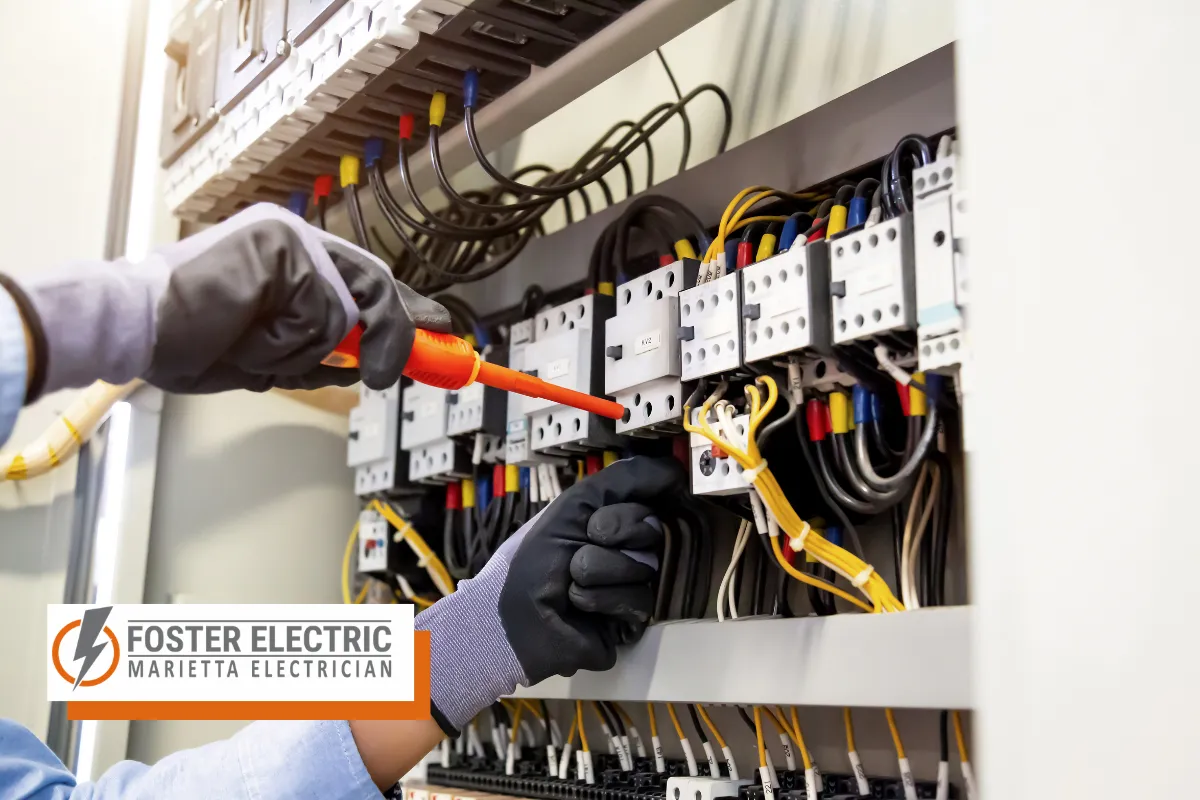
Cobb County has a mix of older and newer homes, many with basements, crawl spaces, and attics that are vulnerable to water intrusion. Here are four scenarios a residential electrician commonly encounters in the area:
- A roof leak drips into a bedroom attic, saturating a junction box and the NM-B cable feeding ceiling light fixtures. The electrician inspects the junction box, tests insulation on the affected wire run, replaces any compromised cable, and swaps out the ceiling fan installation or fixture if moisture entered its housing. Safety devices like AFCIs on the circuit are tested or replaced.
- A burst supply line above the main panel sends water directly into the breaker enclosure. This typically requires full panel replacement, new breakers, and coordination with the local building department for a power use permit. The electrician shuts down the electrical service and works with inspectors before electricity flows again.
- A flooded basement leaves outlets and baseboard heater connections partially submerged. Every outlet below the flood line is replaced, along with sections of wiring inside the walls. GFCI protection is confirmed or added for all basement circuits, and the technician checks for short circuits or compromised ground connections.
- Outdoor receptacles and landscape lights corrode after repeated storm runoff exposure. The electrician installs weather-resistant devices, in-use covers, and verifies that outdoor circuits have proper GFCI protection per current code.
Permits, Codes, and Inspections for Water-Damaged Electrical Repair in Marietta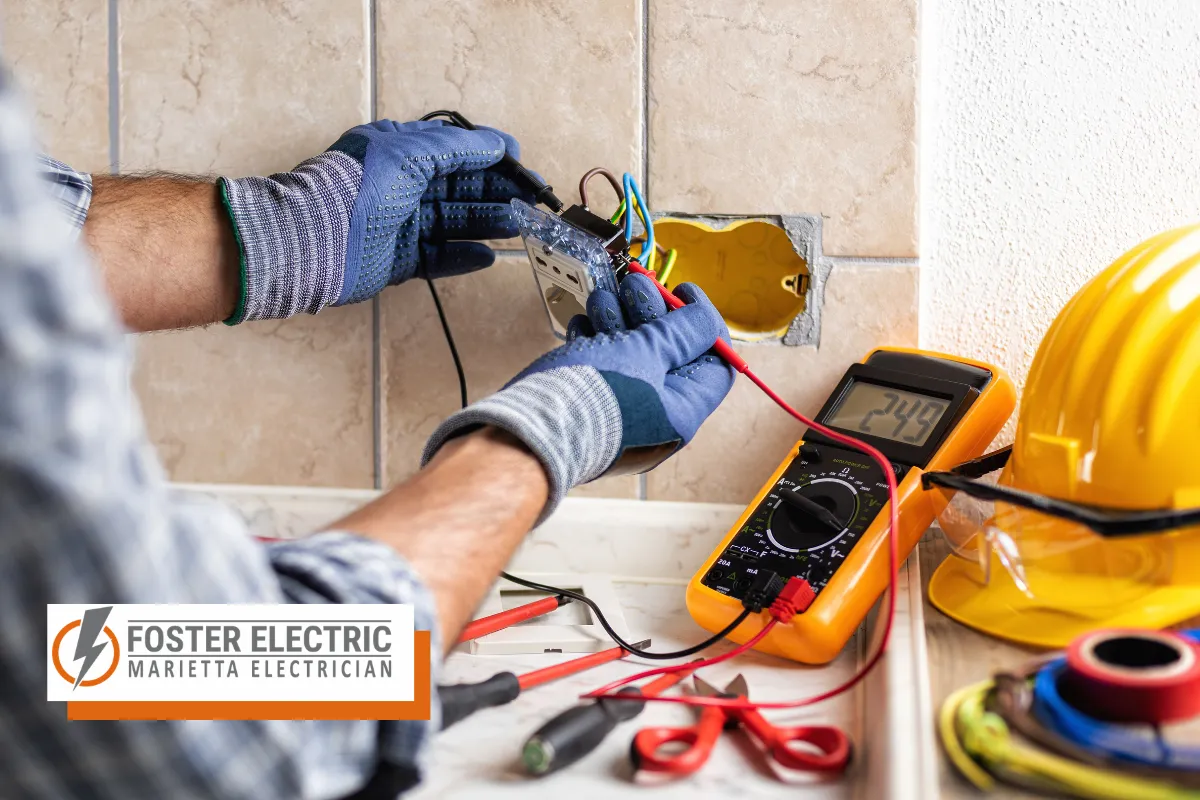
Any substantial electrical work in Marietta, GA must comply with state licensing rules and local enforcement of the National Electrical Code. Georgia has adopted the 2023 Edition of the NEC with state amendments, and Cobb County Ordinance Section 18-146 explicitly adopts these standards for all electrical construction and alterations.
Here is how the permit process typically works:
- A permit is required for panel replacement, major circuit rewiring, relocating significant electrical systems, or adding new circuits. Residential electrical permits in Cobb County often cost between fifty and one hundred dollars for straightforward jobs.
- Licensed electricians in Georgia must possess a valid state license issued by the Georgia Board of Electrical Contractors. Only a licensed electrical contractor can pull permits and perform code-compliant work.
- Electrical work must adhere to national safety standards, and Marietta electricians ensure compliance with local building codes throughout the project.
- Final inspections are often required for electrical repairs after water damage. An inspector may require replacement of any components that were submerged, even if they appear functional, to ensure long-term safety and code compliance.
- Water-damaged electrical repairs must comply with the National Electrical Code standards. Unpermitted or unlicensed work risks failed inspections, insurance claim denial, and complications when selling the property.
Licensed electricians ensure compliance with local building codes, giving homeowners confidence that the finished job meets every applicable requirement.
Coordinating With Insurance After Water Damage to Electrical Components
Insurance coverage for water-damaged electrical damage varies depending on the cause. Most policies cover sudden accidental events like burst pipes or storm damage but may exclude long-term leaks, gradual drainage issues, or deferred maintenance.
To strengthen your claim:
- Document damage thoroughly with dated photos and videos of panels, outlets, affected rooms, and high-water marks before cleanup begins.
- Keep copies of all electrician estimates, itemized invoices, inspection reports, and permit receipts to submit with your claim.
- Understand that insurers may require work by licensed professionals and will typically not reimburse improper or unpermitted repairs. Licensed electricians can help maintain your insurance validity by ensuring that all work adheres to code and is properly documented.
- Ask your insurance adjuster about an Ordinance or Law endorsement, which can cover the cost of bringing your home’s electrical system up to current code during restoration. This is especially relevant for older Marietta homes where existing wiring may not meet 2023 NEC standards.
- Inquire whether upgrades like additional GFCI protection, surge protection, or electrical panel upgrades can be partially covered while restoration is underway.
Keeping detailed records and working with a licensed electrician protects both your claim and your property.
Preventing Future Water Damage to Your Electrical System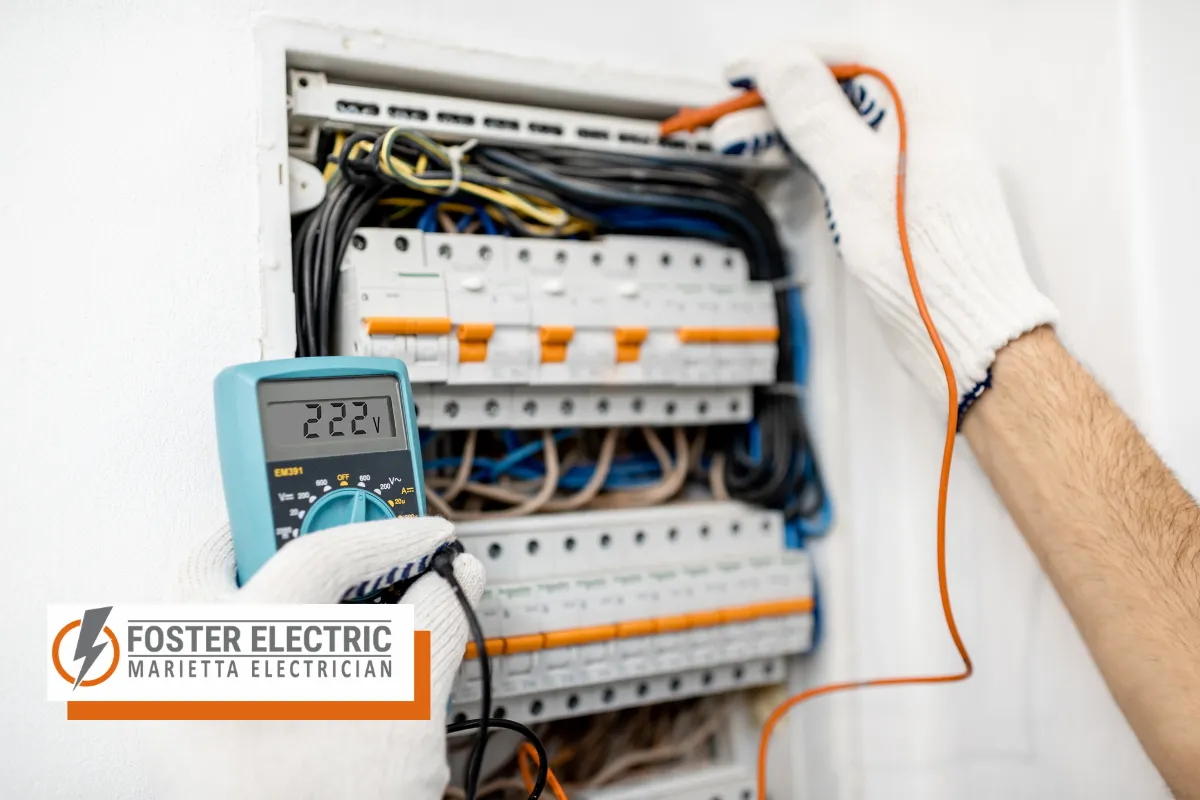
Once repairs are complete, smart preventive steps reduce your vulnerability to future storms, plumbing failures, and moisture intrusion.
- Relocate or raise electrical panels, outlets, and key junction boxes above known high-water lines in basements and crawl spaces. This follows guidance from FEMA and reflects best practices for flood resilience.
- Install GFCI and AFCI protection in all required areas including bathrooms, kitchens, laundries, garages, and unfinished spaces. GFCI outlets can prevent shocks during flooding by detecting ground faults and cutting power almost instantly.
- Use outdoor-rated, weather-resistant covers and properly seal conduit penetrations. Dedicate circuits for sump pumps in moisture-prone areas to improve efficiency and reliability.
- Schedule periodic safety inspections of older electrical systems, especially in homes more than thirty to forty years old that have experienced multiple leaks. Electrical services include panel upgrades and smart home installations that can modernize aging infrastructure and reduce risk.
- Consider adding whole-house generators with proper transfer switches if your area experiences frequent power outages during severe weather.
How to Choose the Right Local Electrician for Water-Damage Repairs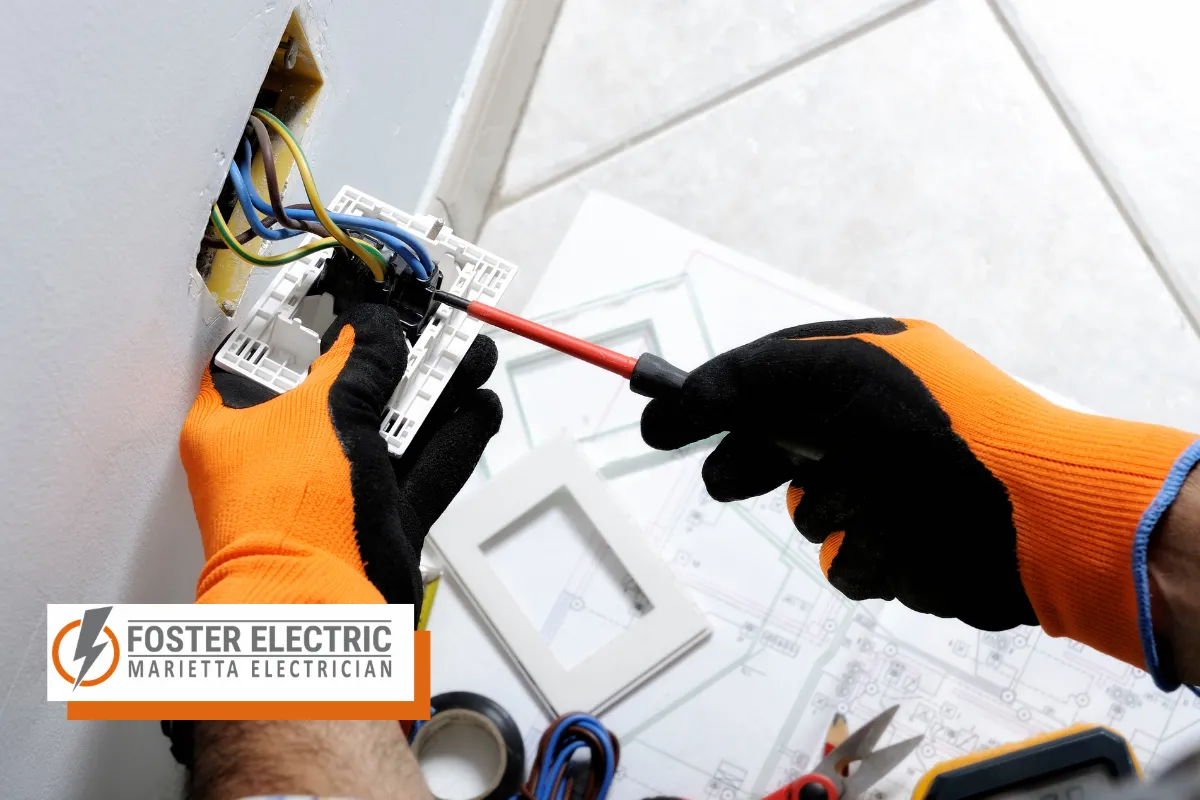
Not every electrician has the same level of experience with water-related electrical repair and restoration. Here is what to look for:
- Verify an active Georgia electrical contractor license, which requires a minimum of four years of primary experience, passing an exam, and ongoing continuing education. Electrical contractors require general liability insurance and workers’ compensation in Georgia, protecting both you and the workers on your property.
- Ask whether the electrician handles permit applications, coordinates with inspectors, and provides written estimates. Electricians in Marietta provide free estimates for electrical jobs, making it easy to compare options before committing.
- Look for clear communication, upfront pricing, realistic timelines, and a clean, safety-focused work process. Customer satisfaction depends on knowing what to expect at each stage.
- Hiring licensed electricians reduces the risk of electrical fires and ensures the expertise needed for complex restoration work.
- A trusted local electrician familiar with Marietta neighborhoods can better anticipate typical leak and flood patterns, from older homes near Kennesaw Mountain to newer developments along the Atlanta area corridor.
Restoring Comfort and Safety After Water Damage: What Homeowners Can Expect
Once you have hired a qualified electrician, the restoration process follows a logical sequence. Marietta electricians offer 24/7 emergency electrical services, so initial response can happen quickly even after hours.
- The typical workflow includes an initial assessment, temporary power solutions if necessary, removal of damaged components, installation of new wiring and devices, and final testing before the system is fully energized.
- Coordination with other trades is essential. Plumbers fix the water source, restoration companies handle drying and mold remediation, and roofers address roof damage. Electrical repair should happen after the structure is dried but before walls are closed back up. Common services include lighting installation and home rewiring as part of the broader restoration.
- Realistic timeframes vary. Minor damage from a small leak might be resolved in a day or two, while extensive flood damage could take several days from first visit to final inspection, depending on permit schedules and drying times. Permits in Cobb County expire if work is discontinued for sixty days, so maintaining momentum matters.
- Once repairs are completed and inspected, your home’s electrical system should be as safe – or safer – than before the damage occurred. Newer safety devices, updated code compliance, and improved protection give homeowners peace of mind and preserve property value for businesses and future buyers alike.
Electrician in Marietta, GA – Foster Electric
At Foster Electric, we are a trusted local electrician based in Marietta, Georgia, and we specialize in fast, code-compliant water-damage electrical repair for homeowners across the prominent surrounding areas. Our licensed electrical team handles everything from emergency safety shut-downs and panel replacement to outlet rewiring, circuit restoration, and full inspection coordination with Cobb County officials. We understand the urgency that comes with water-damaged electrical issues – flickering lights, tripped breakers, or a completely dead panel after a storm or plumbing failure. Our expertise means we get the job done right the first time, with quality workmanship and the knowledge to keep your family safe. Call Foster Electric at (404) 855-4797 or fill out our online contact form to schedule prompt service. We prioritize safety, clear communication, and long-term reliability for every customer whose electrical system has been exposed to water.
Frequently Asked Questions
Can I just let my electrical panel dry out if it got splashed during a leak?
Even minor water exposure inside a panel is more serious than it looks. The internal bus bars, breaker contacts, and terminal connections are not designed to tolerate moisture, and manufacturers do not support field-drying as a reconditioning method. Once water enters a panel enclosure, it deposits minerals and contaminants that create conductive paths between components that should remain isolated. Over time, this leads to hidden corrosion, overheating at connection points, and arcing that could start a fire inside your wall. A licensed electrician needs to inspect the panel, and in most cases, safety standards and the NEC require replacement of affected breakers or the entire panel interior rather than simply allowing it to air dry and hoping for the best.
How long should I wait after a flood before turning my power back on?
You should never make this decision on your own. A licensed electrician must inspect all wiring, outlets, panels, and connected equipment before any circuits are re-energized. The timeline depends entirely on how quickly the structure is professionally dried, how extensive the water exposure was, and whether contaminated water was involved. Turning power on prematurely can cause serious shocks, arc faults, or fires inside walls where you cannot see them. In Cobb County, a power use permit and inspection may be required before the utility restores service after significant flood damage. The safest approach is to keep everything off until a qualified electrician gives you the clear after completing testing and any necessary repairs.
Does a small ceiling leak really affect the electrical wiring behind the drywall?
Yes, and more often than homeowners expect. Water follows gravity and building framing, meaning a small ceiling leak can travel along joists and studs, entering junction boxes, recessed light housings, and ceiling fan mounting boxes that are nowhere near the visible drip. Even a slow leak that persists for days can saturate the paper-backed insulation on older cable types or wick into NM-B sheathing. Recessed lights are particularly vulnerable because their housings sit in direct contact with insulation and framing. If you notice water stains on your ceiling, have a professional check every circuit that passes through or near the affected area. Early detection avoids a much larger electrical problem down the road.
Are GFCI outlets enough to protect my home from water-related electrical hazards?
GFCI devices are critical safety equipment, and they significantly reduce the risk of electric shock by detecting ground faults and shutting off power in milliseconds. However, they are not a substitute for properly installed, dry, and intact wiring and equipment behind your walls. A GFCI will help protect someone from shock if water contacts an energized outlet, but it cannot fix corroded conductors, degraded insulation, or damaged breaker contacts deeper in the system. After any significant water event, you still need a full inspection and appropriate repairs or replacement. Think of GFCIs as one important layer of defense – not the entire solution – in keeping your Marietta home safe from water-related electrical issues.
Will replacing water-damaged wiring let me upgrade my electrical system at the same time?
Absolutely, and most electricians recommend taking advantage of the opportunity. When walls are already opened for water-damage restoration, the cost and disruption of adding circuits, upgrading panel capacity, or installing modern safety devices drops significantly compared to doing it as a standalone project. You might add dedicated circuits for appliances, install whole-house surge protection, upgrade to a larger panel to support future needs like electric vehicle charging, or extend GFCI and AFCI coverage beyond the minimum code requirements. Discuss your goals with your electrician before work begins so the permit application can include the additional scope, keeping everything legal and inspected under one job.
Disclaimer
This article provides general information for Marietta, GA homeowners about water-damaged electrical systems. It is not a substitute for professional electrical advice, legal counsel, or official code interpretation. Always consult a licensed electrician and your local building department for guidance specific to your situation.