Any experienced electrician in Marietta, GA will tell you the same thing: most homeowners absolutely need whole house surge protection today. The problem is that frequent thunderstorms, aging neighborhood infrastructure, and hidden voltage spikes are quietly weakening the appliances and electronics inside your home right now. Picture a single summer storm sending a surge through your wiring, frying your refrigerator, gaming console, Wi-Fi router, and home office setup in seconds. That kind of damage can easily cost thousands of dollars. The solution is straightforward. A professionally installed whole home surge protector mounted at your panel works around the clock, paired with strategic point-of-use surge protectors where needed. This article covers how power surges happen, what code requires, what it costs, how installation works, and when to call a local electrician for an evaluation.
Key Takeaways
- Marietta homes face frequent power surges from thunderstorms, utility grid switching, and internal sources like HVAC compressors, all of which risk costly damage to electronics and appliances.
- A whole house surge protector installed at the main electrical panel shields every circuit in the home’s electrical system simultaneously, including large appliances and an EV charger circuit.
- Current electrical codes based on the 2020 National Electrical Code generally require surge protection with new service panels and major upgrades in Marietta.
- Most professionally installed whole house surge protectors cost a few hundred dollars, far less than replacing a refrigerator, HVAC system, or home office electronics after a damaging event.
- A licensed residential electrician should size, select, and install the correct device to match the home’s panel, grounding, and local permitting requirements.
Why Marietta Homes Face Real Risk from Power Surges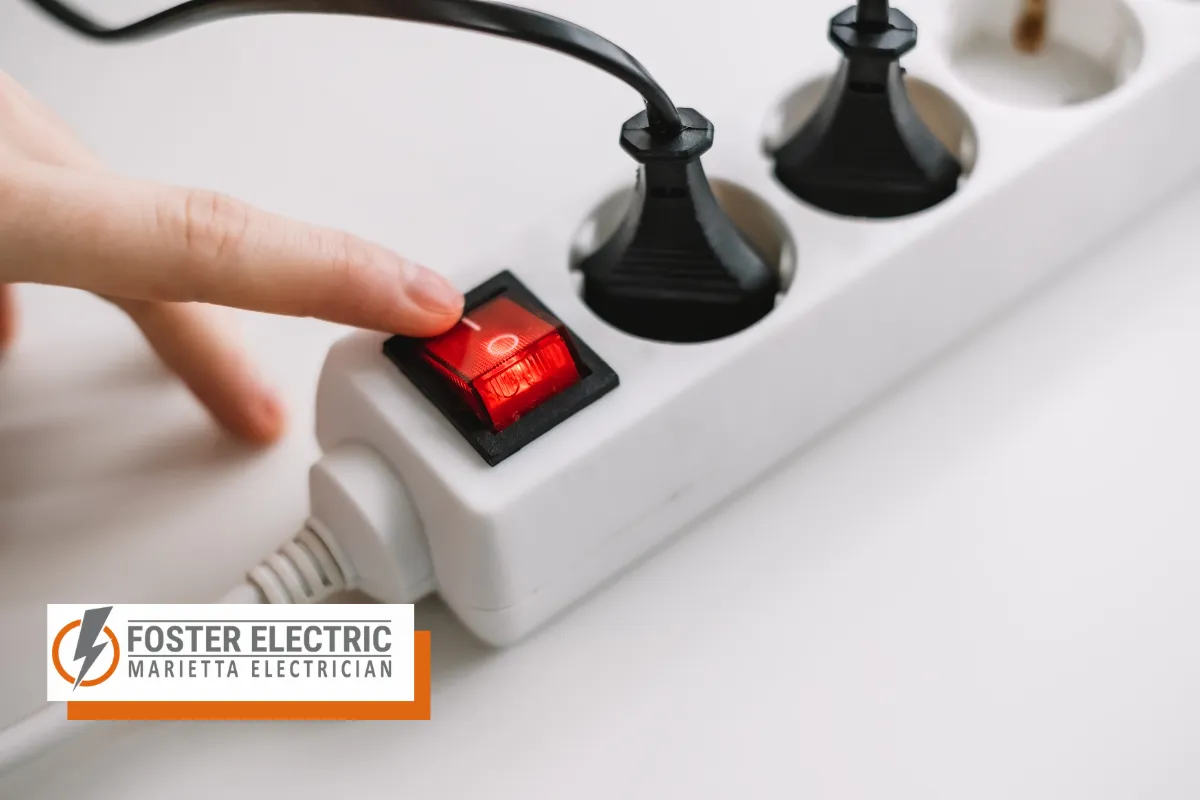
Marietta sits in a part of Georgia that deals with severe weather regularly. Georgia averages over 100 thunderstorm days per year, and each one brings the potential for voltage spikes that travel through overhead utility lines and into your home. Lightning strikes nearby don’t need to hit your house directly to cause problems. A single lightning strike can destroy thousands of dollars in electronics by sending a massive surge through the grid and into connected devices.
But storms aren’t the only threat. Local utility grid fluctuations can cause voltage spikes that may damage appliances without any warning. When a utility company switches power routes or restores service after an outage, that sudden change in electricity flow can produce surges. Transformer failures in older neighborhoods push irregular voltage into multiple homes on the same circuit.
Internal surges are just as common. Every time an HVAC compressor kicks on, a well pump starts, or a large motor cycles in your garage, a small voltage spike ripples through your home’s electrical system. These surges are usually too small to trip a circuit breaker, but they add up. Over months and years, they degrade the circuit boards inside your refrigerator, dishwasher, smart thermostat, and other modern appliances. Surges can damage appliances like refrigerators and HVAC systems, often long before those items reach their expected lifespan.
In practical terms, a power surge is a brief spike in voltage above the normal 120/240-volt level your home is designed to handle. Modern homes often include sensitive electronics vulnerable to voltage spikes, from smart lighting controls to inverter-driven heat pumps. Even small, repetitive electrical surges slowly weaken semiconductor components, so the damage often looks like premature appliance failure rather than a dramatic blowout.
Whole-house surge protection is recommended in areas prone to thunderstorms and lightning, and Marietta checks that box without question.
What Whole-House Surge Protection Actually Does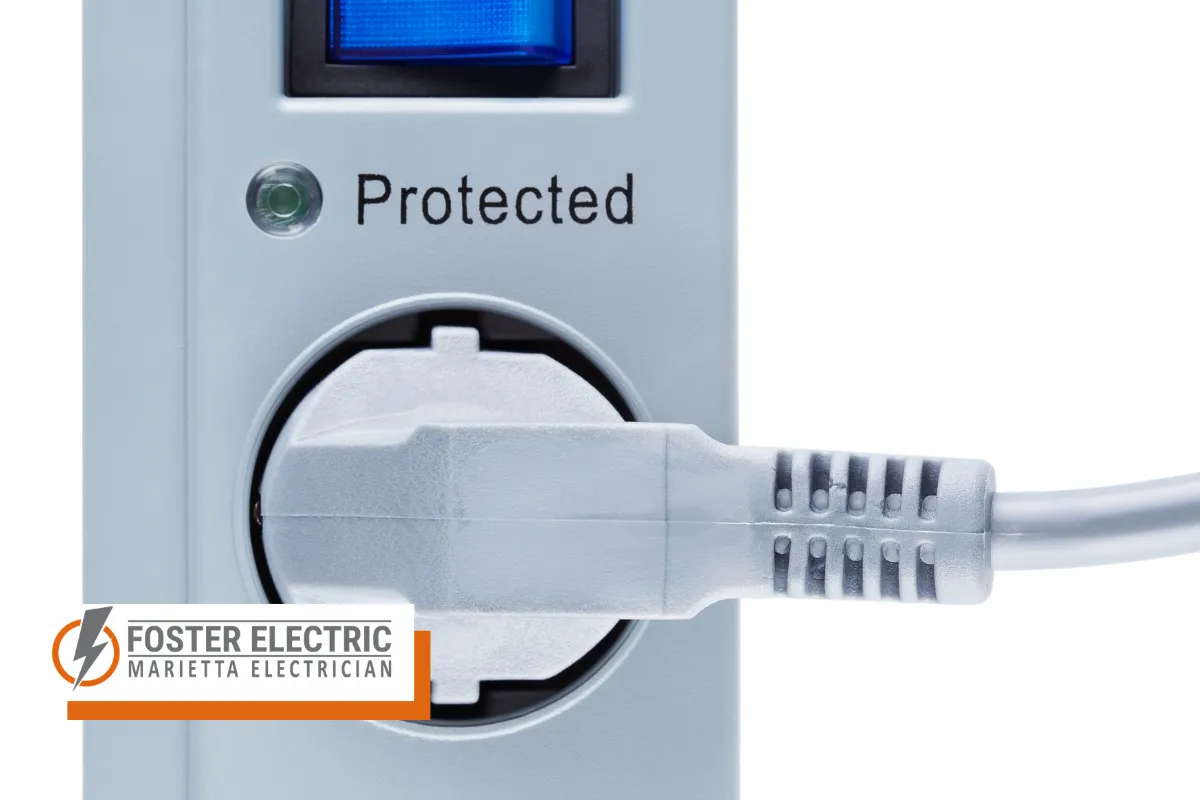
A whole house surge protector is a surge protective device, commonly called an SPD, installed at or inside the main electrical panel. Instead of guarding a single outlet, it protects every circuit in the home simultaneously. Surge protectors protect all circuits in a home simultaneously by monitoring voltage on each line and reacting in microseconds when a spike occurs.
Here is how it works: whole-house surge protectors divert excess voltage to the ground wire, routing dangerous energy safely away from your wiring and devices. When the power supply returns to normal voltage, the SPD goes back to standby mode. This cycle happens so fast that you never notice it, but your appliances and electronics are shielded from the spike.
The difference between whole home surge protection and power strips is significant:
- A panel-mounted SPD guards every hardwired appliance, including your oven, dishwasher, laundry equipment, built-in microwave, HVAC system, EV charger, smart thermostats, and lighting circuits.
- Power strips and plug-in surge protectors only protect items plugged directly into them and cannot reach hardwired electrical equipment behind the wall.
Surge protection helps extend the lifespan of appliances with sensitive microprocessors, which today includes nearly everything from your refrigerator to your garage door opener. Without protection, those internal control boards take cumulative hits that shorten their useful life.
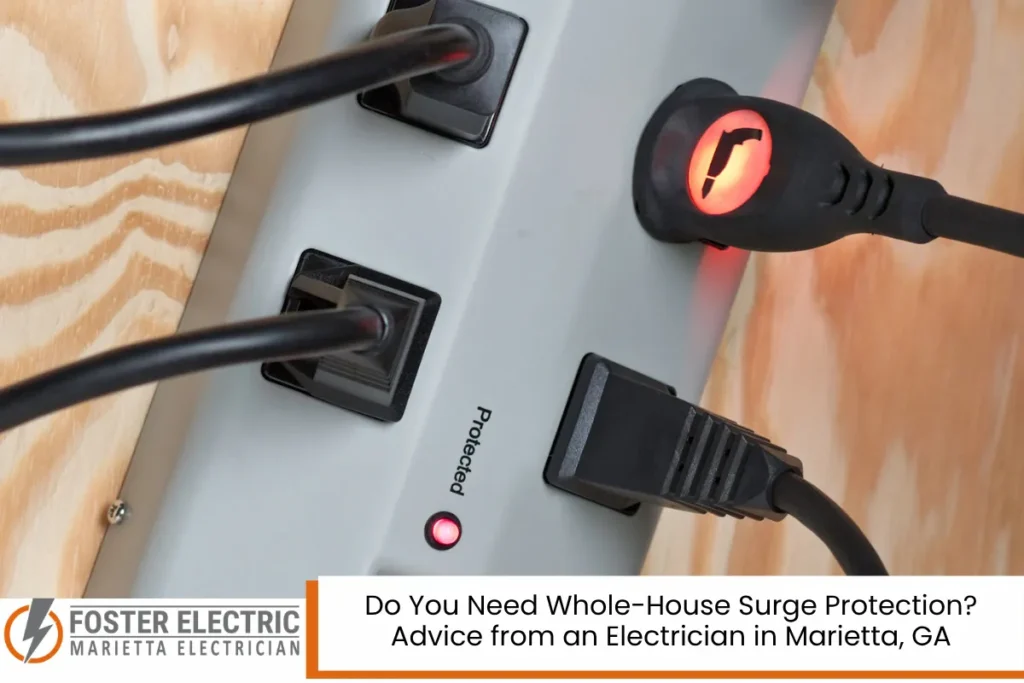
Point-of-use surge protectors remain valuable as a second layer. Computers, home theater systems, and networking gear benefit from the extra clamping a quality strip provides. But those strips cannot replace the comprehensive coverage of a panel-level device.
Types of Whole House Surge Protectors and Where They’re Installed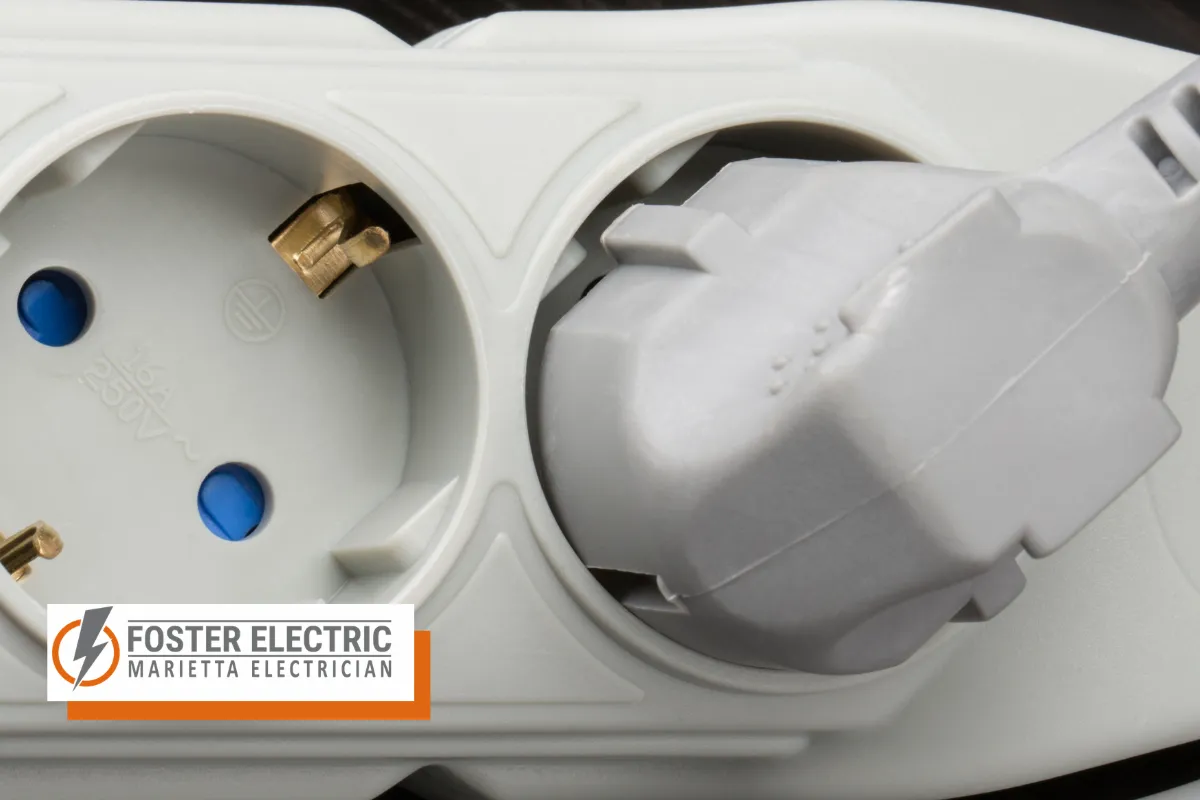
Modern electrical systems categorize surge protective devices into three types. Homeowners primarily need to understand Type 1 and Type 2 whole house surge protectors, since those are the ones that provide service-level defense.
Type 1 SPDs
Type 1 surge protectors are installed before power enters the home, on the line side of the service disconnect between the utility meter and the main breaker. Type 1 devices protect against external surges like lightning and utility switching events. They are more common in new construction or where a utility coordination setup supports them.
Type 2 SPDs
Type 2 surge protectors are installed at the electrical panel, mounted on the load side of the main breaker. This is the most common configuration for Marietta homes. Type 2 devices protect all circuits within a panel, handling both external surges from the grid and internal surges generated by large appliances starting up. They connect to a dedicated breaker and the neutral and ground bars inside the main panel.
Both types are designed to protect the entire home’s electrical system when properly matched to panel ratings and installed by a licensed electrical contractor.
Type 3 SPDs
Type 3 devices are point-of-use surge protectors, the plug-in strips you place at outlets for sensitive electronics. They add another layer but do not satisfy code requirements for service-entrance protection and cannot replace a whole home surge protector.
Read Can an Electrician in Marietta, GA Repair Water-Damaged Electrical Systems?
When Whole-House Surge Protection Is a Smart Investment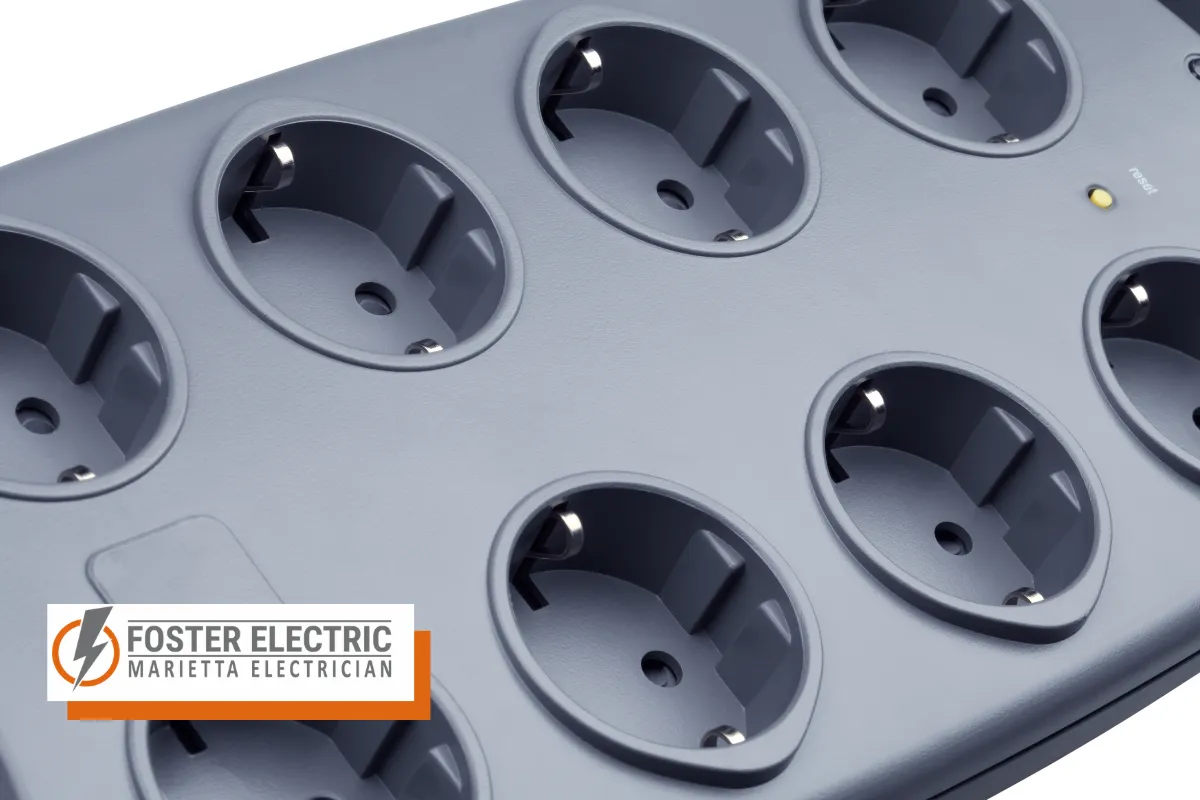
Every home benefits from surge protection, but certain situations make it especially urgent in Marietta.
High-priority scenarios include:
- A recently installed HVAC system or heat pump with digital controls
- A new EV charger circuit in the garage pulling significant power
- Extensive smart home devices connected throughout the house
- Expensive home office equipment like computers, monitors, and networking gear
An old house with upgraded electronics but an original or aging electrical panel is a prime candidate. The mismatch between modern sensitive electronics and outdated wiring infrastructure creates elevated risk.
Homes experiencing frequent breaker trips, flickering lights, or unexplained electronic failures may already be taking cumulative surge damage. These symptoms often indicate that the home needs a professional evaluation from a qualified electrician.
Planning a kitchen remodel, a panel upgrade, or an addition? That is the ideal time to add surge protection. Bundling the installation with other electrical work shares labor and permit costs, making the incremental expense even lower.
Whole-house surge protectors can prevent thousands in damage, and that prevention comes at a fraction of the cost of replacing even one major appliance.
Code, Safety, and Licensing Considerations in Marietta
Marietta follows Georgia’s adoption of the National Electrical Code. Surge protectors are required by the 2020 National Electric Code, which introduced Article 230.67 mandating that all services supplying dwelling units include a Type 1 or Type 2 SPD. The National Electric Code requires surge protection in new constructions, and the requirement also applies when existing service equipment is replaced.
Georgia adopted the 2023 NEC edition with state amendments effective January 1, 2025, continuing this emphasis on residential protection. The reason behind these code changes is practical. Modern homes depend on electronics inside HVAC controls, GFCIs, AFCIs, smoke alarms, and carbon monoxide detectors, all of which are vulnerable to voltage irregularities. Electrical fires can be reduced by using surge protection to manage voltage spikes that might otherwise overheat components or wiring.
Surge protective devices must be listed to UL 1449 safety standards. That certification confirms the device has been tested for let-through voltage, nominal discharge current, and safe behavior under repeated surges. Without proper listing, products can fail in dangerous ways.
Grounding is crucial for the effective operation of surge protectors. If the home’s grounding and bonding system is inadequate, an SPD cannot properly divert energy, regardless of its rating. A professional electrician may recommend grounding upgrades as part of the installation.
In Marietta, this electrical work should be performed by a licensed electrician who pulls permits when required and follows local inspection procedures. Skipping that step risks both safety and code compliance.
Cost of Whole-House Surge Protectors and What Affects Pricing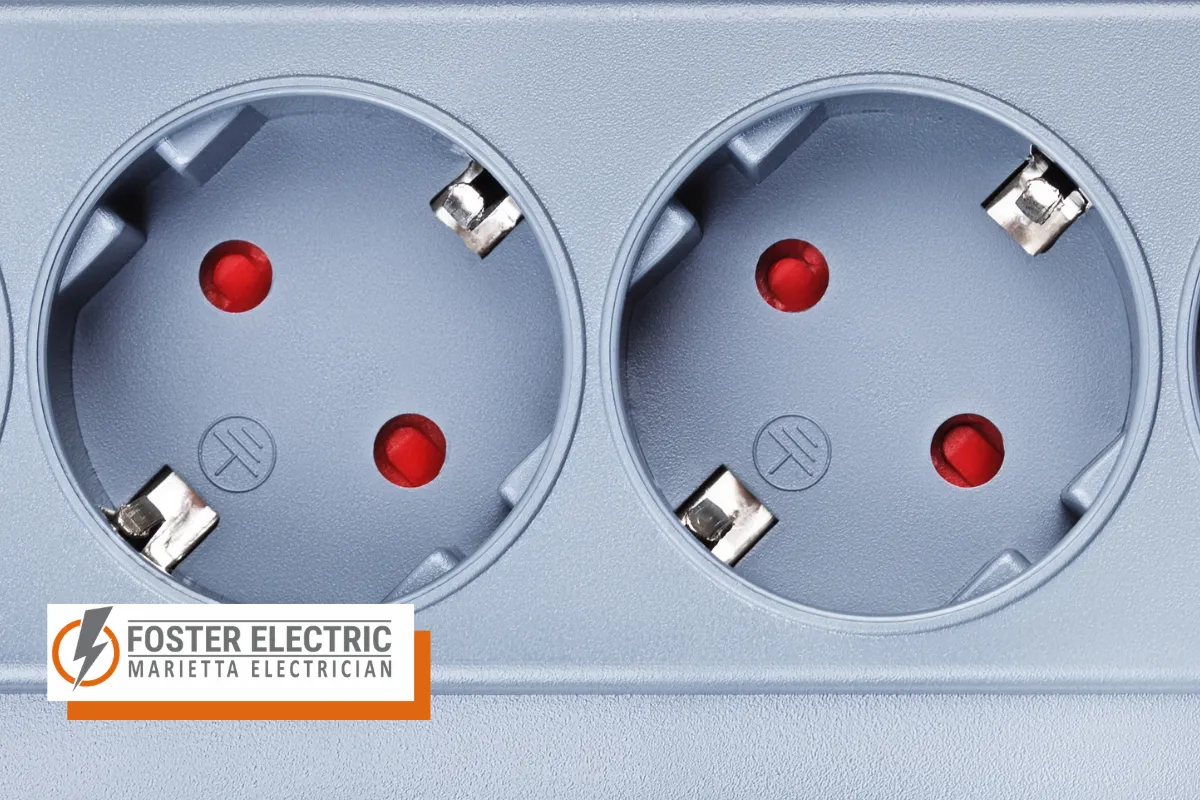
Whole-home surge protection typically costs $300 to $600 installed in the Marietta area, depending on the device selected and the condition of your panel. Expect to pay between $100 and $300 for the surge protector device itself, with the remainder covering labor, breaker slots, and any minor panel adjustments.
Several key factors influence the final price:
- Panel type and location within the home
- Whether additional breakers or panel space are needed
- Condition of the grounding system and whether upgrades are required
- Length and complexity of wiring runs to the panel
- Whether the box is already crowded or requires reconfiguration
Higher kA-rated devices with better diagnostic indicators and longer warranties cost more upfront but may deliver better long-term value, especially in homes with expensive electronics or multiple connected systems.
Combining surge protection with other electrical service work can save money. If you are already paying for a panel upgrade, an EV charger installation, or a major repair, adding an SPD to the same job shares the labor and permit fees. That can bring the incremental cost down significantly.
When requesting an estimate, ask for a written quote that clearly separates parts, labor, and any recommended safety upgrades so you can compare options with confidence.
How a Local Electrician Installs Whole-Home Surge Protection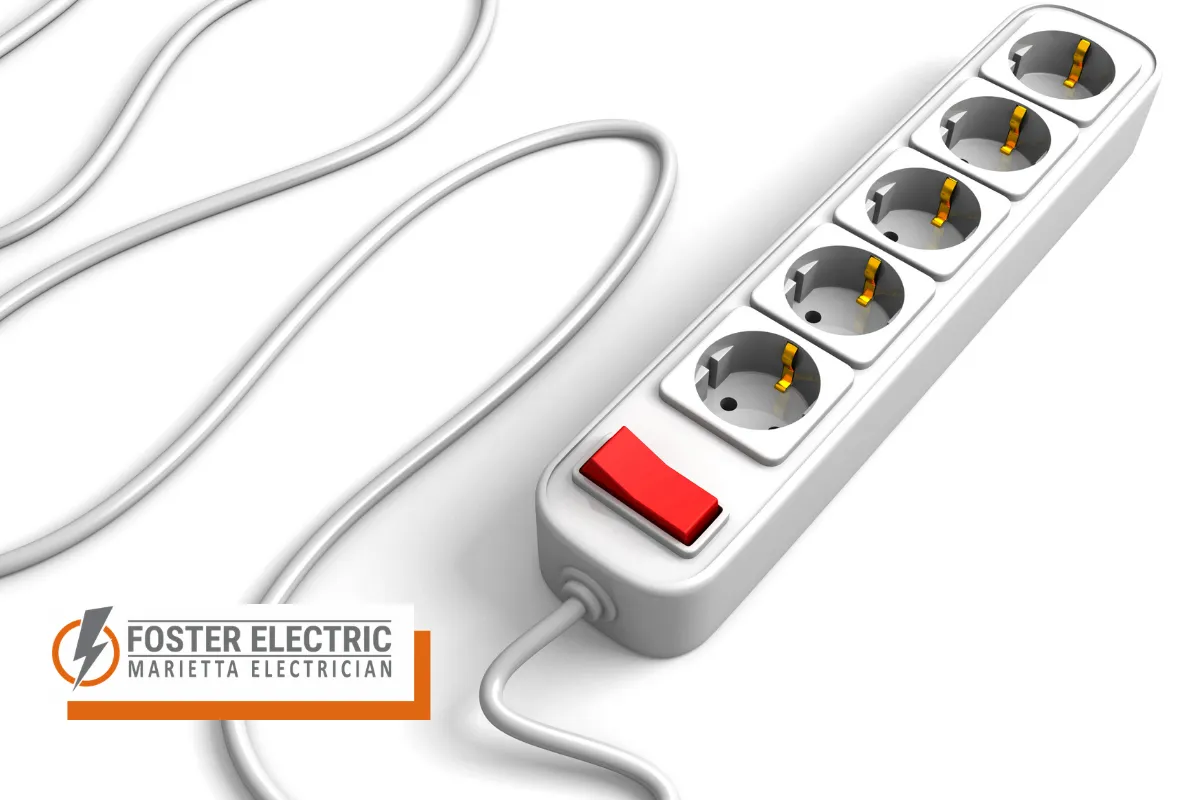
Installation of a whole-house surge protector takes one to two hours in most cases, making it a same-day project. However, the work involves live feeders inside the main panel and should never be treated as a DIY job.
The typical process follows these steps:
- The residential electrician performs a site visit, inspecting the existing electrical system, verifying the panel brand, and checking available breaker spaces.
- The grounding and bonding system is evaluated to confirm it can support the SPD properly.
- Power is shut off safely at the main breaker or service disconnect.
- The SPD is mounted near the panel or inside it, with conductors routed to a dedicated circuit breaker and connected to the neutral and ground bars per manufacturer instructions.
- Power is restored, and the electrician tests the device, confirms indicator lights or status windows show active protection, and labels the surge protector at the panel for future reference.
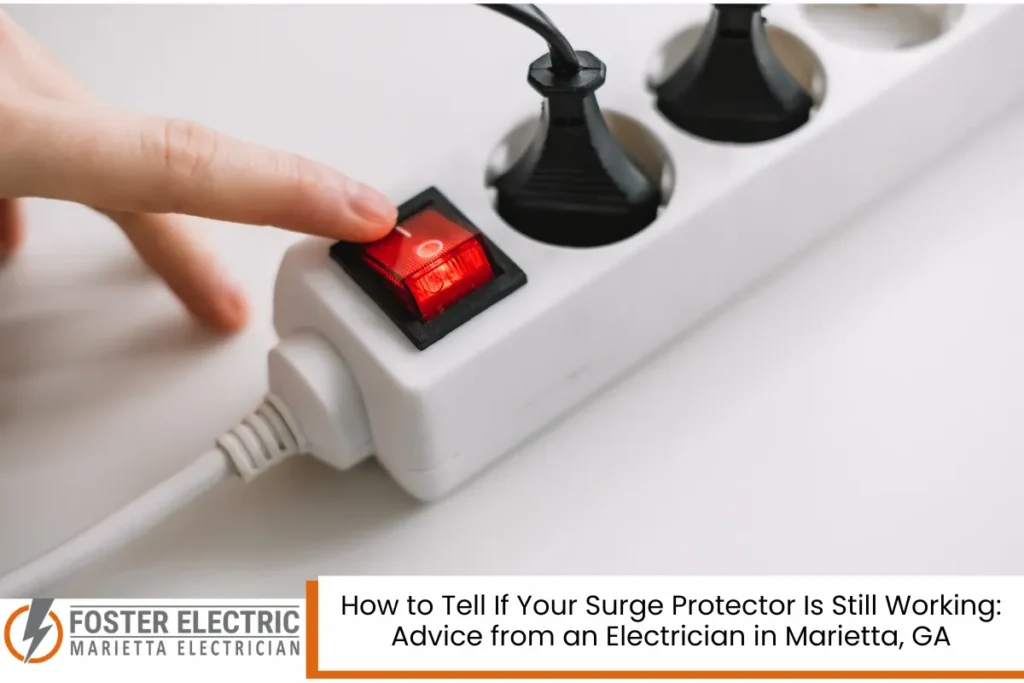
After the install is complete, ask your electrician for a quick walkthrough. You should understand what the indicator lights mean, the expected life of the device, warranty details, and when to call for a reassessment after a major power event. Surge protection units should undergo routine inspections to maintain effectiveness over the long term.
Protecting Electronics Beyond the Panel: Layered Surge Protection
The most reliable protection strategy combines whole house surge protection at the panel with targeted point-of-use surge protectors for your most sensitive devices.
Even with a panel-level SPD handling the heavy lifting, plug-in surge strips add value for:
- Home office computers, monitors, and printers
- Gaming consoles and entertainment centers
- Modems, routers, and networking gear
- Any device where data loss or downtime creates real problems
Surges can also enter through cable or phone lines, so protecting your modem and router with a strip that includes coaxial or phone line protection adds another layer of defense for your connectivity.
Replace plug-in surge protectors periodically. Their internal components wear out over time, especially after storms or noticeable power events. A strip that absorbed a big spike last summer may no longer be offering meaningful protection today.
Consider documenting your major electronics and appliance investments. Knowing that your home theater system, HVAC unit, and home office setup represent several thousand dollars makes the relatively small cost of a whole home surge protector and a few quality strips look like straightforward insurance. Surge protective devices may simplify insurance documentation and provide warranty paths if damage does occur.
Electrician in Marietta, GA – Foster Electric
At Foster Electric, we are proud to be the local electrician Marietta homeowners rely on for whole house surge protection and every other residential electrical need. We are based right here in Marietta, Georgia, and we also serve the prominent surrounding areas throughout the Atlanta area with licensed, insured services you can trust.
Our team has extensive experience installing whole house surge protectors, upgrading panels, adding EV charger circuits, and troubleshooting recurring electrical issues safely and efficiently. We take the time to assess your home’s electrical system, explain your options clearly, and provide straightforward pricing with no surprises. We recommend solutions that match your budget and risk level without unnecessary upselling.
Ready to protect your home today? Call us at (404) 855-4797 or fill out our contact form to schedule an in-home evaluation. Foster Electric is here to deliver reliable electrical service when you need it most.
Frequently Asked Questions
How long does a whole house surge protector typically last?
Most whole house surge protectors are designed to last between seven and twelve years under normal conditions, though the actual lifespan depends heavily on how many surges the device absorbs during that period. Every significant surge event slightly degrades the internal metal-oxide varistors, which are the components that divert excess energy. Homes in storm-prone parts of Marietta may see shorter lifespans than homes on stable grid sections with fewer significant surges. The device typically includes indicator lights or a status window that shows whether protection is still active. A dark or fault indicator means it is time for a replacement. Having a qualified electrician check the device during regular inspections or after any severe storm is a reliable way to confirm it is still doing its job.
Will a whole house surge protector lower my electric bill?
A whole house surge protector is not an energy efficiency device, and it will not directly reduce your monthly power bill. Its primary function is preventing premature failure of electronics and appliances by shielding them from voltage spikes. That said, the indirect savings can be substantial. By extending the service life of expensive equipment like your HVAC system, refrigerator, and computers, you avoid costly emergency replacements and repair bills. Pairing surge protection with other upgrades such as LED lighting or high-efficiency HVAC equipment can improve both protection and overall system performance. If lowering your electric bill is a priority, discuss load balancing, dedicated circuits, and other efficiency improvements with a professional electrician during your surge protection evaluation.
Can I install a whole home surge protector myself?
Installing a whole home surge protector requires working inside or immediately adjacent to the main electrical panel, which involves exposure to live feeders carrying dangerous levels of electricity. The risk of serious shock or arc flash makes this a job that should not be attempted without proper training, tools, and licensing. Georgia licensing rules and local permitting practices require this type of electrical work to be completed by a licensed electrician who understands fault currents, grounding requirements, and applicable code. Improper installation can reduce or eliminate the protection the device provides, void the manufacturer warranty, or create fire hazards. Homeowners should handle simple tasks like plugging in point-of-use surge strips at outlets but leave panel-level work to qualified professionals in Marietta.
Do I still need surge strips if I have a whole house surge protector?
Most experts recommend a layered approach to surge protection. The panel-mounted device handles the largest surges coming in from the grid, but plug-in surge strips provide additional clamping for your most sensitive electronics. Devices like computers, gaming systems, and home theater equipment benefit from that extra layer of defense because even a small amount of let-through voltage from a large surge can affect delicate components over time. Some advanced surge strips also include noise filtration and USB charging protection that a whole home device does not provide. Select strips with appropriate joule ratings for the equipment they protect, and replace them periodically, particularly after major storms or any noticeable power event that trips breakers or causes flickering lights throughout the house.
Will a whole house surge protector protect my home during a direct lightning strike?
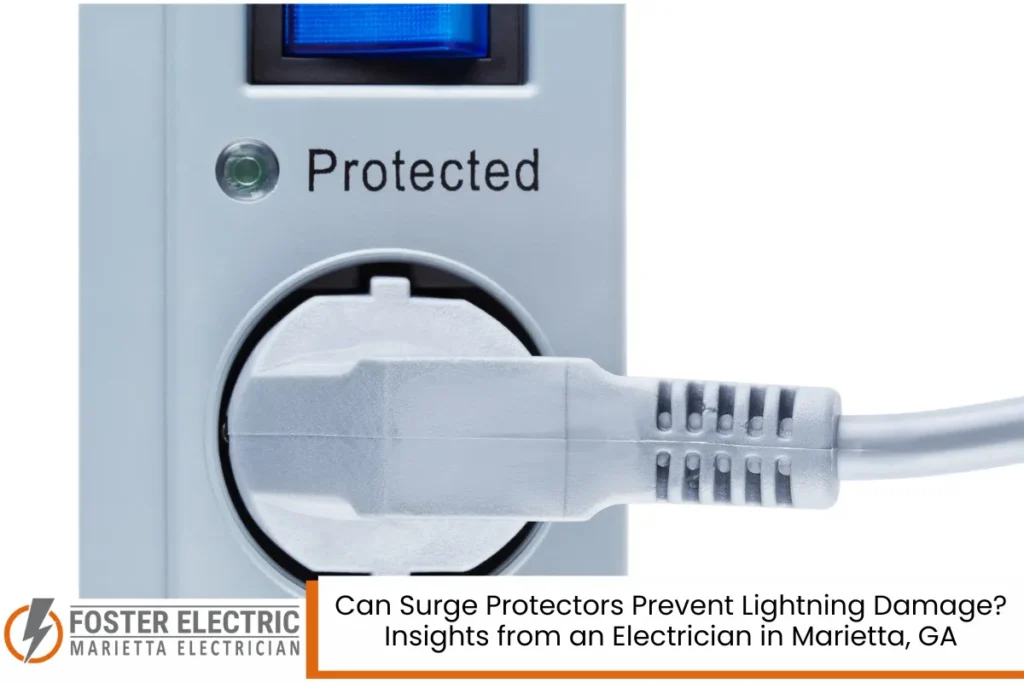
While a whole house surge protector greatly reduces risk from the vast majority of lightning-related surges, no single device can guarantee complete protection from a direct strike to your structure. A direct hit can deliver tens of thousands of amperes in an instant, which exceeds any residential SPD’s rated capacity. What the device does handle effectively are the far more common nearby strikes and utility-line surges that account for the overwhelming majority of storm-related damage. Homes at elevated risk due to location or height may benefit from a professionally designed lightning protection system with air terminals and dedicated grounding in addition to their panel-level SPD. For typical surge events in the Marietta area, a properly installed surge protector paired with adequate grounding offers a strong and reliable layer of defense for your home’s electrical system.
Disclaimer
This article provides general educational information about whole house surge protection in Marietta, Georgia, and does not constitute specific electrical design advice. Homeowners should consult a licensed electrician and local authorities for project-specific requirements, permitting, and current code compliance before proceeding with any installation.