Why Every Marietta Homeowner Needs an Electrician Plan Before Storm Season
An experienced electrician will tell you that the worst time to think about your home’s wiring is during a storm. Every spring and summer, Marietta homeowners face thunderstorms that bring lightning strikes, high winds, and heavy rain capable of quietly degrading an entire home’s electrical system. Power surges fry HVAC controls. Driving rain floods outdoor outlets. A single fallen branch can pull service lines off an exterior wall and leave your family in the dark. The real danger is that much of this damage stays hidden until something fails weeks later. The solution is straightforward: take proactive electrical safety steps now, guided by a qualified residential electrician, to protect your wiring, appliances, and loved ones before the next line of storms rolls through.
Key Takeaways
- Whole home surge protection installed at the breaker panel shields your entire electrical system from voltage spikes caused by lightning and grid fluctuations during storm season.
- GFCI outlets and weatherproof covers on outdoor outlets are essential defenses against shock and electrical damage in wet conditions and flooded areas.
- Portable generators and standby generators both require a transfer switch and professional installation to prevent dangerous backfeed into utility lines.
- After a major storm, treat all downed power lines as live, check for flickering lights and warm outlets, and call a licensed electrician before re-energizing any damaged circuit.
- Schedule a professional inspection before hurricane season to catch hidden risks in older panels, grounding systems, and outdoor wiring before they become emergencies.
How Storm Season Threatens Your Home’s Electrical System in Marietta
Marietta sits in a region where spring and summer thunderstorms are a near-weekly occurrence. Occasional tropical remnants push through as well, bringing sustained heavy rain and wind gusts that test every component of a home’s electrical system. Georgia ranks third nationally in lightning strikes during summer and autumn, which means the risk to residential wiring here is not theoretical.
Storm damage to electrical systems falls into several categories:
- Lightning strikes can cause electrical surges during storms, sending thousands of volts through power lines and into your home in milliseconds.
- Utility grid fluctuations happen when downed lines or switching events create transient voltage spikes across neighborhoods.
- Falling branches and high winds can tear service drops from the house, damage conduit, or loosen connections along an exterior wall.
- Wind-driven rain penetrates gaps around light fixtures, junction boxes, and conduit entries, introducing moisture where it corrodes wiring over time.
Power surges can damage appliances and electronics over time, even when each individual spike seems minor. Your HVAC systems, refrigerator compressor boards, and electronic devices absorb cumulative stress that shortens their lifespan. The tricky part is that visible damage like burned outlets or frequent breaker trips represents only a fraction of the problem. Hidden issues such as loose neutral connections, insulation breakdown, and corroded terminals inside boxes require a licensed electrician with diagnostic tools to uncover. Marietta enforces the 2023 National Electrical Code with Georgia amendments, and compliance with that code is not optional. It is the baseline for keeping your home safe and your electrical systems legally sound.
Whole-Home Surge Protection: First Line of Defense for Your Home’s Wiring
A power surge is a sudden spike in voltage that travels through your wiring and into connected devices. Storms in Marietta commonly trigger surges through lightning, downed utility lines, and sudden grid switching events. A single nearby strike can push transient voltages into the thousands, and your circuit breakers are not designed to stop that kind of energy.
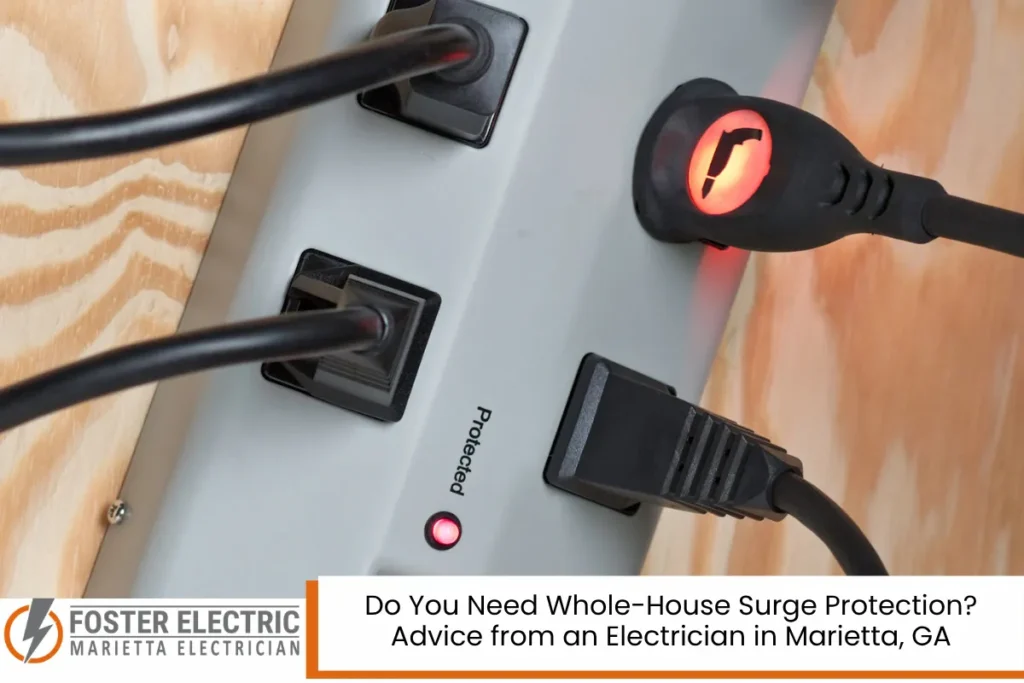
A whole home surge protector is installed directly at the electrical panel, where it intercepts voltage spikes before they travel downstream to individual circuits. Whole-home surge protectors safeguard against voltage spikes across every branch circuit in the house, protecting everything from your garbage disposal motor to your thermostat. Surge protectors installed at the electrical panel protect all circuits simultaneously, which is something a plug-in power strip simply cannot do.
That said, layered protection is the strongest approach. Point-of-use surge strips at your entertainment center or home office add a second barrier for sensitive electronics. But plug-in surge strips do not protect heavy-duty appliances like your air conditioner, water heater, or dryer. Those loads draw too much current for a strip to handle effectively.
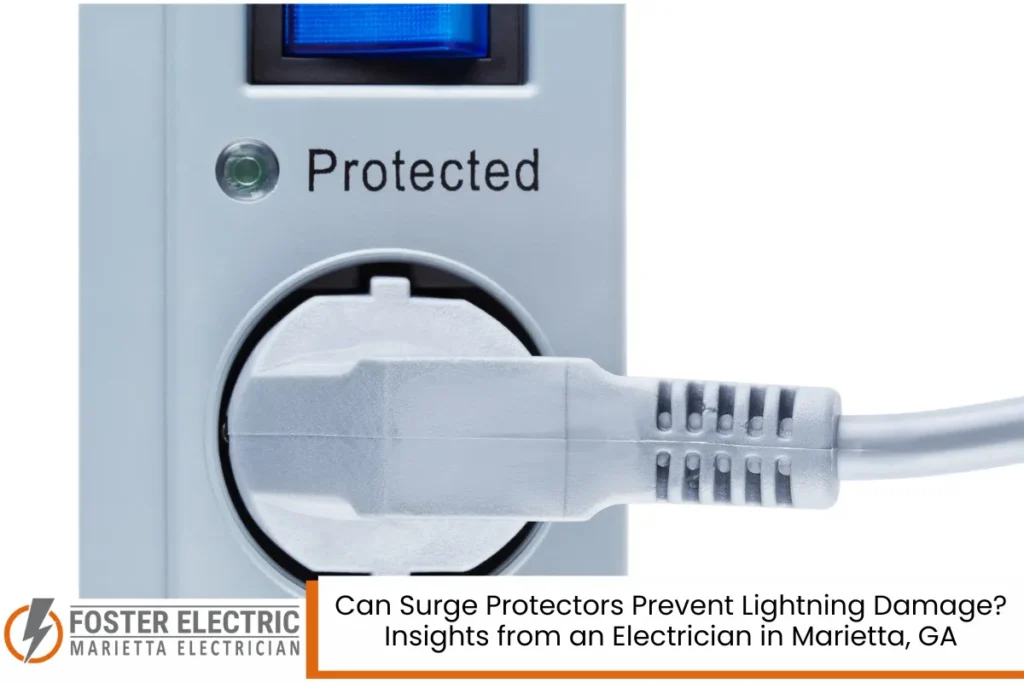
There is an important limitation to understand: surge protectors cannot guarantee protection from direct lightning strikes. A direct hit delivers energy far beyond what any residential device can absorb. However, the vast majority of storm-related surges are indirect, and a properly rated whole home surge device handles those reliably. Always unplug sensitive electronics during severe weather if safe to do so, especially high-value items like computers and audio equipment that are costly to replace.
Only a licensed electrician should install panel-level surge devices to prevent severe arc-flash and electrocution hazards. Proper grounding, correct amperage rating of at least 10,000 amps, and compliance with local codes are all essential for the device to function as intended. If your home was built before surge protection became a code requirement, consider adding whole home surge protection before peak storm months to protect your appliances, wiring, and peace of mind.
Read Can a Marietta Electrician Fix Storm & Lightning-Damaged Wiring?
GFCI Outlets and Outdoor Electrical Safety in Flood-Prone or Wet Areas
Ground fault circuit interrupters are one of the most important safety features in any Marietta home during storm season. GFCIs provide protection against electric shock in damp areas by monitoring the current flowing through hot and neutral conductors. If even a tiny imbalance is detected, typically as little as 4 to 5 milliamps, the device trips. GFCI outlets cut power quickly in wet conditions, shutting down the circuit in milliseconds before dangerous current can pass through a person.
Key locations in a Marietta home where GFCI outlets are typically required include:
- Bathrooms
- Kitchens (countertop receptacles)
- Garages and unfinished basements
- Laundry areas
- All outdoor outlets exposed to rain or moisture
Testing your GFCI outlets monthly takes only a few minutes. Press the TEST button. The outlet should lose power immediately. Press RESET to restore it. If the outlet fails to trip, does not reset, or feels warm to the touch, call a residential electrician to evaluate it. A failed GFCI is not protecting anyone.
Outdoor electrical safety goes beyond the outlets themselves. Install waterproof covers on outdoor outlets for protection. These bubble-style, in-use covers keep receptacles sealed even when a cord is plugged in, which matters during prolonged heavy rain. Outdoor wiring must use properly rated materials. Standard indoor NM-B cable is not approved for exterior use. Conduit fittings need to be tight, cable entries sealed, and all connections made inside wet-rated boxes. Extension cords should never serve as permanent outdoor wiring and must be kept out of standing water at all times.
If water has entered receptacles or junction boxes in flooded areas, leave the power off. Even after surfaces dry, insulation damage and hidden corrosion can create future arc faults or fire risks. An electrical contractor should evaluate every affected component and replace anything compromised rather than simply drying and reusing it.
Protecting Outdoor Wiring, Fixtures, and Your Electrical Panel from Water and Wind
Outdoor wiring and fixtures are directly exposed to every storm that passes through. Damage to these components can backfeed problems into the rest of the house, causing electrical issues that show up as damaged outlets, flickering lights, or tripped breakers inside.
Common vulnerabilities to address before storm season include:
- Loose or unsupported conduit runs that can swing and chafe in high winds
- Cracked or missing covers on outdoor junction boxes
- Corroded connections at light fixtures, security cameras, or landscape lighting
- Improperly supported cables between the house and detached structures
Inspect outdoor electrical equipment and connection points for water intrusion as part of a pre-season walk-through. Secure outdoor electrical equipment to prevent storm damage by tightening mounting hardware, replacing deteriorated straps, and verifying that junction box covers seat flush. Seal cracks to prevent water intrusion in electrical systems, especially where conduit passes through masonry or siding. Even small gaps allow wind-driven rain to reach wiring that was never designed for wet exposure.
Trim nearby trees to prevent falling branches during storms. Limbs that contact or hang above your service drop are a direct threat to the line feeding your main electrical panel. Keeping clearance around those conductors reduces the chance of a downed connection.
Electrical panels should be elevated to prevent flooding damage. Marietta’s floodplain ordinance specifically requires that electrical service facilities in flood hazard areas be placed well above base flood elevation. Even if your home is not in a mapped flood zone, elevate outdoor equipment to avoid flooding risks from unexpected drainage issues or severe storms that overwhelm local infrastructure.
Keep water away from electrical panels and outlets to avoid hazards. Check for active roof leaks or gutter overflow above outdoor panels. Look for rust, moisture stains, or discoloration around breakers inside the breaker panel. If you find any evidence of water exposure, never open the panel yourself. Shut power from a dry, safe location if possible and contact a qualified electrician immediately. Only a professional familiar with Marietta codes should evaluate and repair water-damaged electrical equipment.
Inspect outdoor wiring for damage before storm season, and inspect outdoor wiring to prevent hazards during storms as conditions allow. Any repair work on outdoor circuits should be performed by a licensed electrical contractor who can verify that materials, connections, and installation methods meet current code requirements.
Backup Power and Generator Safety for Marietta Storm Outages
Severe storms in Marietta can cause extended power outages lasting hours or even days. When the grid goes down, refrigerated food spoils, sump pumps stop running, medical devices lose power, and basic comfort disappears. Having a reliable backup power plan is not a luxury for many families.
There are two main options for generators:
- Portable generators power a limited number of circuits through extension cords or a generator inlet box. They cost less upfront and work well for running a refrigerator, a few lights, and a phone charger during shorter outages.
- Standby generators are permanently installed outside the home and connect directly to the breaker panel through a transfer switch. A permanent standby generator turns on automatically within seconds of detecting a power loss, and standby generators provide steady backup power during outages without manual intervention.
Regardless of which type you choose, generators must be properly connected to prevent backfeeding hazards. Backfeed occurs when a generator sends electricity back through the panel and into utility lines, creating electrocution hazards for line workers and neighbors. A transfer switch or interlock kit is legally and safely required for any generator connection to the home’s electrical system. Never use a so-called suicide cord to plug a generator directly into a wall outlet.
Safety basics for portable generators:
- Operate outdoors only, at least several feet from windows, doors, and vents
- Never run a generator in a garage, basement, or enclosed space due to carbon monoxide risk
- Keep the unit dry and elevated off wet ground
- Use heavy-duty, outdoor-rated cords and never exceed the generator’s wattage rating
- Store fuel according to local fire code and never refuel while the unit is running
Portable generators should be installed by licensed electricians who can ensure proper grounding and safe connection to your home’s circuits. For standby systems, consult a local electrician to size the generator correctly, install the proper transfer equipment, and verify that grounding and bonding meet all requirements. Natural gas or propane-fueled standby units also need proper fuel line connections that comply with local codes.
What to Do After a Storm: Post-Storm Electrical Safety Checklist
After a major storm passes, the danger is not over. Electrical damage may be hidden, and the wrong move can create serious risks. Walk through this checklist before restoring normal use of your home’s electrical system.
Start with a visual survey from a safe distance:
- Look for downed lines in your yard or along your street. Treat downed power lines as live and dangerous after a storm, and stay at least 10 feet away. Do not touch anything a downed line contacts, including fences, puddles, or vehicles.
- Check for scorch marks, discoloration, or melting around outlets and switches inside the home.
- Look for water pooling near the electrical panel or around outdoor wiring and fixtures.
- Inspect for damaged outlets, cracked cover plates, or exposed wiring on the exterior.
Next, use your senses. Listen for buzzing or sizzling sounds near the breaker panel, switches, or light fixtures. Smell for burning odors, especially near warm outlets or appliances. These warning signs indicate arcing, overheated connections, or insulation failure that demand immediate attention.
If you detect any of the following, shut off the affected circuit at the main electrical panel if you can do so safely, and call a licensed electrician:
- Water has reached outlets, the panel area, or any electrical equipment
- Flickering lights persist after power is restored
- Frequent breaker trips occur on the same circuit
- Any appliance behaves abnormally, runs hot, or refuses to start
- You smell burning near any wiring, switch, or fixture
Do not attempt to restore power to circuits that were submerged or exposed to standing water. Even after drying, compromised insulation and corroded terminals can cause arc faults or fire. A professional electrical service visit is essential to evaluate and safely re-energize any water-exposed circuit. Schedule that visit promptly rather than hoping the problem resolves on its own.
Preventive Inspections and Long-Term Storm-Ready Planning
A scheduled electrical inspection before storm season is always cheaper than repairing fire or flood damage after the fact. Inspecting your electrical system can save thousands in repairs by catching deteriorating components, code violations, and hidden moisture damage before they cause a failure under stress.
A thorough professional inspection typically covers:
- Evaluation of the main electrical panel for proper labeling, secure connections, and signs of corrosion or overheating
- Grounding and bonding verification, including checking ground rod condition (ground rods usually have a lifespan of about 15 years before they degrade)
- Confirmation that GFCI and AFCI protection is present on all required circuits
- Inspection of outdoor wiring, fixtures, conduit, and connection points
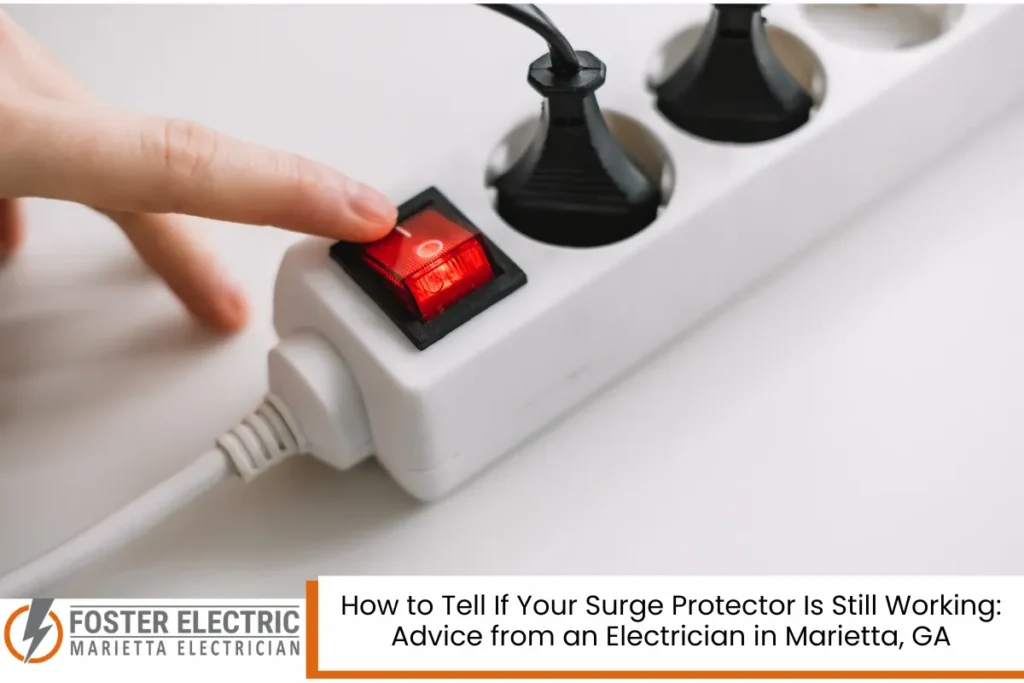
- Review of surge protection devices for proper installation and indicator status
Older homes may have outdated panels needing inspection. Homes built before current code cycles may lack adequate surge protection, proper grounding, or sufficient circuit capacity for modern loads. A professional inspection identifies hidden risks before storms, giving you time to address them on your schedule rather than in an emergency.
Electrical inspections can prevent failures during storms by confirming that every component in the system is sound and code-compliant. Schedule a professional inspection before hurricane season starts, ideally every two to three years, or annually if your home is older or you have recently added outdoor lighting, an EV charger, or other new loads.
Long-term planning also means revisiting your surge protection, generator setup, and outdoor electrical safety strategy as your household needs evolve. Partnering with a trusted local electrician gives you an ongoing advisor who understands your home’s history, stays current on code updates, and can recommend safe operation improvements as electrical systems grow more complex.
Marietta Electrician – Foster Electric
We are Foster Electric, a trusted electrician serving Marietta, Georgia and the prominent surrounding areas. Our team specializes in every storm-season service covered in this guide, from whole home surge protection and GFCI upgrades to outdoor wiring repairs, generator installation, and comprehensive safety inspections. We are a local residential electrician and electrical contractor committed to code-compliant, professional electrical service tailored specifically to Marietta homes.
Storm season does not wait, and neither should you. Whether you need a pre-season inspection, emergency repairs after severe weather, or a fair price on a panel upgrade, we are here to help protect your home’s electrical system and keep your family safe. Call us at (404) 855-4797 or fill out our online contact form to schedule your appointment today. At Foster Electric, safety, clear communication, and quality work come standard with every job.
Frequently Asked Questions
How Often Should I Have My Home’s Electrical System Inspected If I Live in an Older Marietta House?
If your home is more than 25 years old, schedule an inspection every one to two years rather than the standard two to three. Older wiring, original panels, and aging grounding systems degrade faster under repeated storm stress. If you notice warm outlets, discolored cover plates, or a faint burning smell near any circuit, move the timeline up immediately. Homes that have undergone major remodels or added significant new loads like hot tubs, workshops, or EV chargers also benefit from more frequent evaluations. A qualified electrician can assess whether your existing system handles current demands safely and recommend targeted upgrades rather than a full rewire.
Is It Safe to Reset a Breaker That Trips During a Storm?
A single reset is generally reasonable. Turn the breaker fully to the OFF position first, then back to ON. If it holds, the trip was likely caused by a momentary surge or temporary overload. If the breaker trips again immediately or within a few minutes, stop resetting it. Repeated tripping signals an underlying fault such as a short circuit, ground fault, or damaged wiring that will not resolve itself. Forcing a breaker back on repeatedly risks overheating the breaker, damaging wiring insulation, or even starting a fire inside the wall. At that point, leave the circuit off and contact a licensed electrician for diagnosis and repairs before using that circuit again.
What Electrical Upgrades Make the Biggest Difference Before Hurricane Season?
Three upgrades deliver the most value. First, whole home surge protection at the panel guards your entire system against indirect lightning and grid surges. Second, adding or updating GFCI protection on all required circuits, especially outdoor outlets, garages, and basements, dramatically reduces shock risk during wet conditions. Third, having your panel evaluated ensures it can handle your current load and meets modern safety standards. If you experience regular outages, adding a standby generator with a properly installed transfer switch keeps critical systems running. These upgrades work together to create layered protection that addresses the most common storm-related electrical hazards Marietta homeowners face.
Can I Use Extension Cords Outside During Heavy Rain?
Only outdoor-rated extension cords should ever be used outside, and even then, they are intended for temporary use only. Look for cords rated for wet locations with a W designation on the jacket. Keep connections elevated and out of puddles. Never run extension cords through standing water, closed windows, or doorways where they can be pinched or damaged. If you find yourself relying on an extension cord for the same outdoor load repeatedly, that is a clear sign you need a permanent outdoor circuit installed by a licensed electrician. Permanent outdoor wiring with proper conduit, wet-rated boxes, and weatherproof covers is far safer and meets code requirements for ongoing use.
What Should I Tell My Family About Electrical Safety During Storms?
Establish clear household rules before storm season begins. Everyone in the family should know to stay away from flooded areas, standing water near any outlet or appliance, and any downed lines in the yard or street. No one except a knowledgeable adult should touch the electrical panel, and even then, only from a dry location and only to shut off power, not to investigate a problem. Keep flashlights and battery-powered lanterns accessible so no one is tempted to handle wiring in the dark. Teach children that if they see sparks, smell burning, or notice water near outlets or switches, they should tell an adult immediately rather than touching anything themselves.
Disclaimer
This article provides general electrical safety information for Marietta, Georgia homeowners and does not replace a licensed on-site evaluation. All electrical work must comply with current Marietta and Georgia codes and should be performed only by licensed professionals.
Read Do You Need Whole-House Surge Protection? Advice from an Electrician in Marietta, GA